
Ben Chan
Associate Director
10 Mar 26
With housing costs continuing to rise, compact inner-city living has emerged as a practical and sustainable response to housing affordability pressures in Sydney. Small footprint houses, efficient apartment renovations, and considered design approaches are redefining how we perceive and utilise our living spaces.
Compact living isn't merely about downsizing; it's about thoughtful design solutions that improve functionality, enhance comfort, and promote sustainability. With the increasing demand for affordable housing and the growing emphasis on environmental responsibility, compact living offers a viable alternative to traditional housing models. Two recent renovation projects, including one led by our Senior Associate Benjamin Chan, demonstrate how thoughtful architectural intervention can unlock space, light, and flexibility within highly constrained footprints.
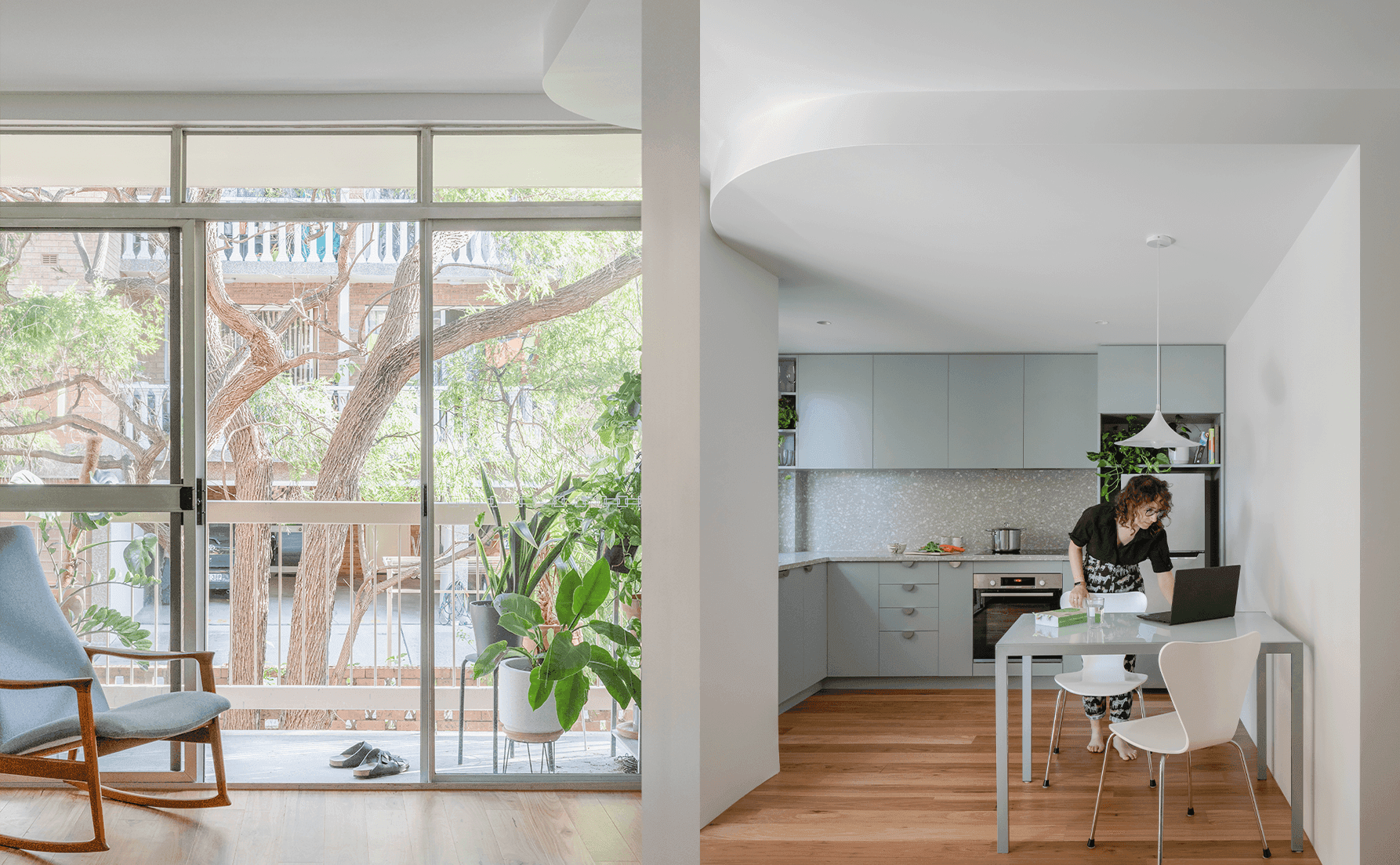
A strong example of compact living is the renovation of a 42-square-metre apartment in Stanmore, Sydney, by Sam Crawford Architects Senior Associate Benjamin Chan. Featured on the popular channel Never Too Small, this project transformed a modest one-bedroom apartment into a light-filled and functional home for Ben and his partner. The apartment sits within a two-storey red brick 1970s walk-up and originally featured an enclosed kitchen, a south-facing living space, and low ceilings, all of which limited light and spatial flow.
A series of simple yet considered design moves transformed the apartment, making it far more suitable for contemporary living. Some of the design changes were:
Beyond spatial ingenuity, apartment renovations in NSW also require regulatory expertise. Recent legislative changes affecting apartments (Class 2 buildings) mean that only a select number of architects are legally registered to design and assist in the delivery of this work. This also includes internal renovations like Ben’s apartment, which required changes to the apartment’s structural design and layout of wet areas. At Sam Crawford Architects, we’re proud to be registered under the DBP Act as Design Practitioners, offering legal compliance and design excellence on Class 2 apartment renovations and new buildings.
This renovation demonstrates how thoughtful design can transform a compact space into a comfortable and stylish home without the need for extensive square metreage.
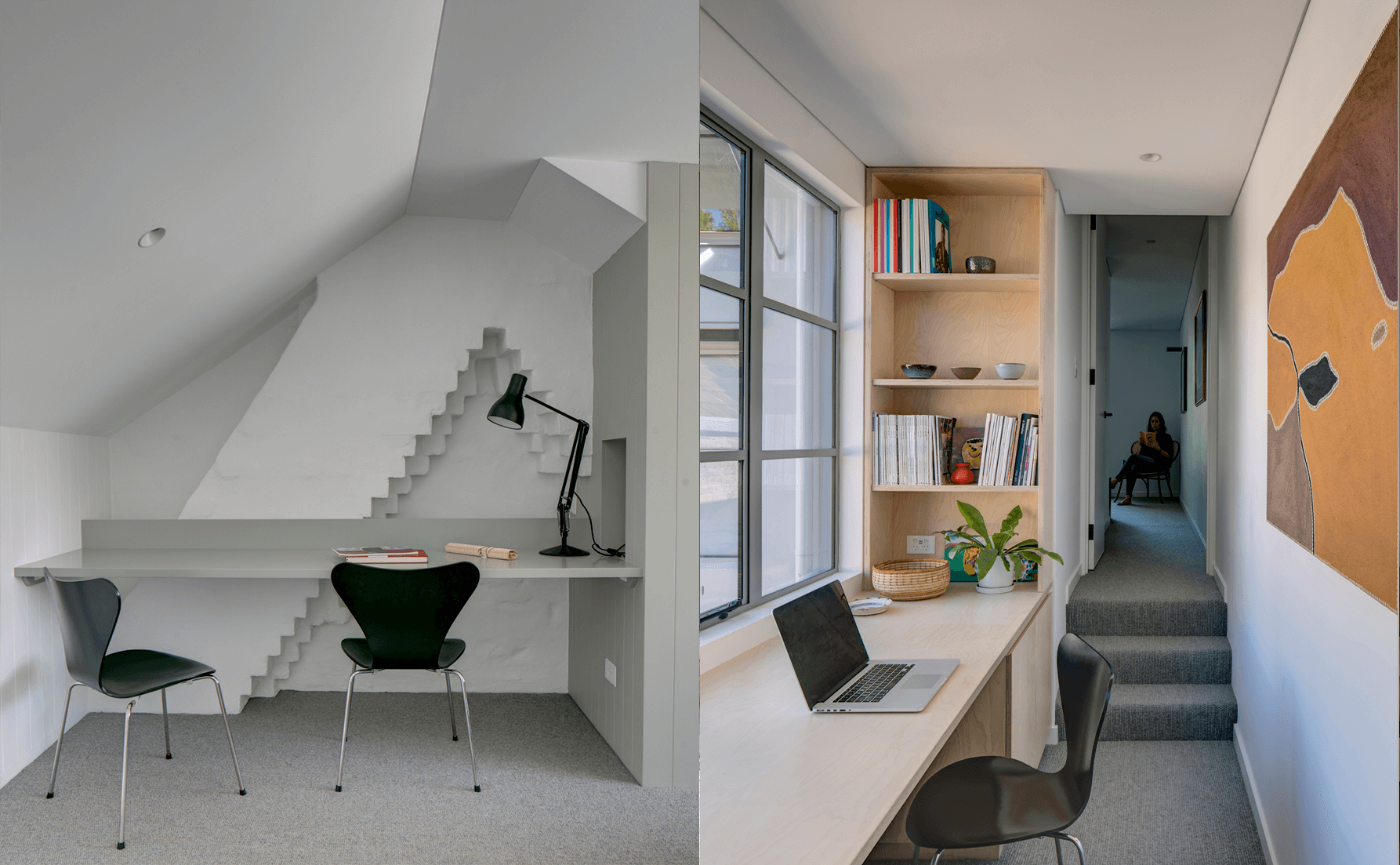
Compact living challenges are not limited to apartments. In Sydney’s inner-city terraces, where narrow sites and heritage constraints demand inventive, sensitive design solutions, a standout example is our Darlinghurst Terrace renovation, which transformed a narrow, dark terrace into a contemporary home with generous garden connections and expansive living spaces.
At less than four metres wide at the rear, the site presented a familiar but complex challenge: how to bring in more light, openness, and flexibility.
Our response included:
By focusing on light, material richness, and spatial flow, the design turns a modest inner-city terrace into a home that feels expansive and connected, despite its compact footprint.
Opting for a compact living space doesn't mean sacrificing comfort or amenity. In fact, it often results in spaces that are better planned, more efficient, and more purposeful.
The advantages include:
Designing for compact living requires creativity and a nuanced understanding of each client’s brief. Here are some strategies to enhance small living spaces:
Compact living is more than a passing trend; it is a practical response to rising housing costs and increasing urban density. As urban populations continue to grow and space becomes more limited, the principles of compact living will play an increasingly vital role in shaping our built environment.
Ben Chan
Associate Director

11 Sep 26
You’ve engaged an architect. Now you’re weighing up whether you also need an interior designer, and whether skipping…

01 Jul 26
Sam Crawford Architects and three projects — Clovelly House, Waverley House and Kurraba Point House — feature in Grand Designs Australia's special report on home office, bedroom and play space design.