
Sam Crawford Architects
18 Dec 25
Most Sydney homes were not designed for sustainability or for the local climate.
In Sydney, we act as if winter doesn’t exist and often ignore the simple ways to keep our homes cool on all but the hottest days. As a result, many houses don’t respond well to the city’s variable climate.
The good news is that making your home more sustainable is easier than you think. You don’t have to demolish your house to create a liveable, energy-efficient, environmentally responsible home. Renovating is one of the most impactful ways to reduce your home’s carbon footprint, improve comfort, and increase long-term value.
And you don’t have to go it alone.
In this article, we look at what it means to renovate a home for sustainability, where to start, and how working with forward-thinking architects can help you get the most out of your investment.
In simple terms, a sustainable renovation focuses on reducing a house’s energy and water use, and improving indoor air quality and liveability, thereby reducing its ongoing environmental impact.
Think of it as fine-tuning your house, with benefits far beyond aesthetics.
Creating a more sustainable home can include everything from upgrading insulation and installing energy-efficient windows, to integrating renewable energy systems and using eco-friendly materials.
Each house is different, which is why a thoughtful, customised approach is essential.
So why not just demolish and start over with a new energy-efficient rebuild?
Here's why you should renovate instead:
While every house is unique, there are a few areas that give the greatest return for your architectural investment in terms of energy savings and environmental impact.
A holistic approach is the most cost-effective way to upgrade your home, taking into consideration internal temperature, air-movement and humidity. Many older houses have inadequate or deteriorating insulation, leading to excessive energy use, poor temperature control, condensation, and mould.
Introducing breathable membranes behind upgraded ventilated cladding, basic insulation, and opening up enclosed spaces to cross ventilation can drastically improve a home’s performance without major changes to the existing fabric.
Sam Crawford Architects often recommends upgraded insulation in attics, walls, and floors, along with air sealing around doors, windows, and ducts to create a tighter envelope while maintaining airflow,
Single-glazed windows or drafty doors are major energy drains. Replacing doors or windows with high-performance, energy-efficient models can dramatically improve comfort and reduce heating and cooling costs. The key to cost savings is replacing windows in their existing openings wherever possible.
Thoughtful design enables new windows to enhance natural light and improve the comfort of your home. Where selected windows are moved or enlarged, the architectural impact is even greater.
Heating, ventilation and cooling systems typically account for more than 40 per cent of a home’s energy use. Upgrading to high-efficiency systems, such as air-source or ground-source heat pumps, can yield significant operational savings while reducing greenhouse gas emissions.
Passive solutions, like thermal mass, solar protection, and cross-ventilation, can further reduce reliance on mechanical systems.
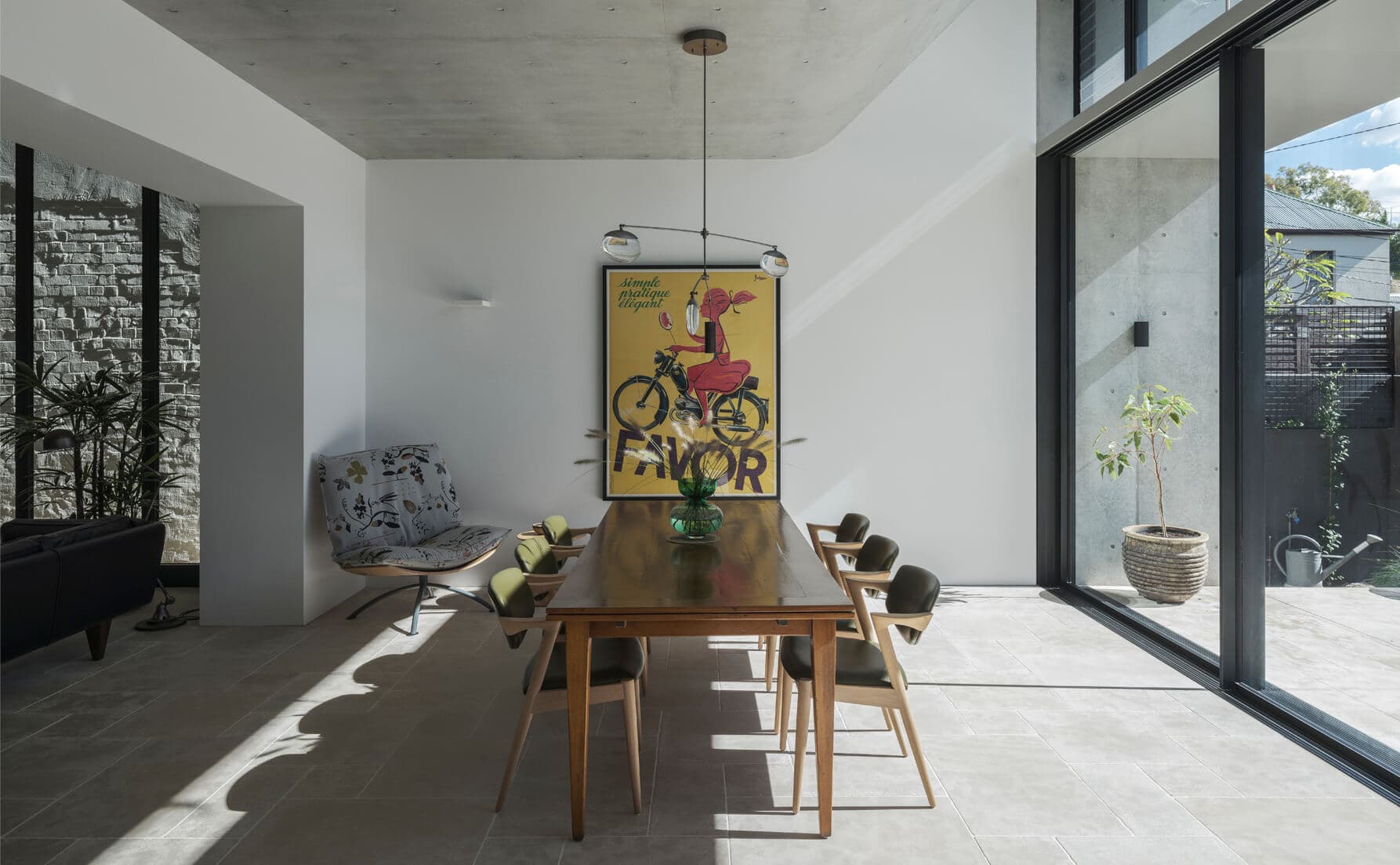
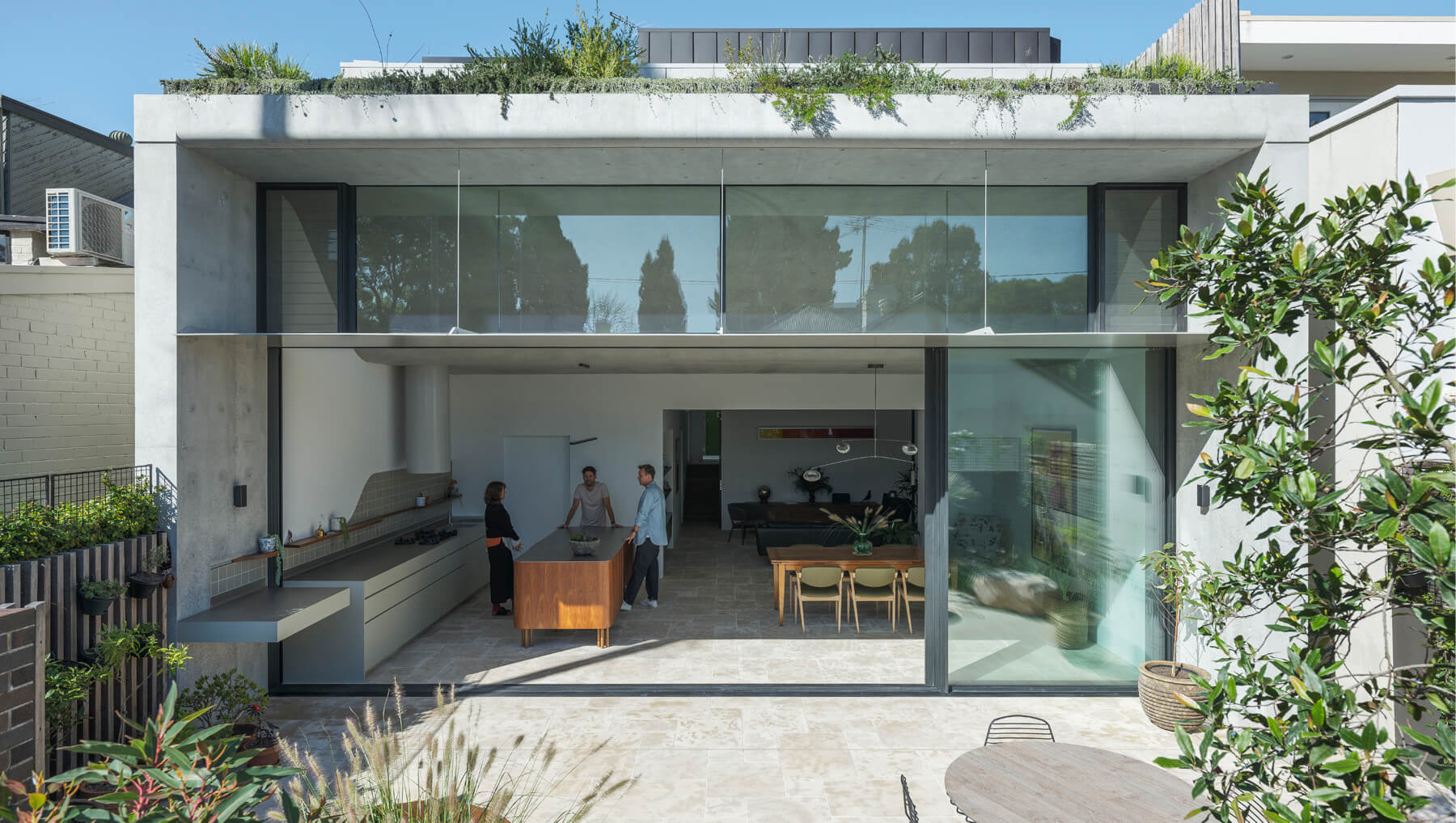
Our Hidden Garden House renovation is a great example of an extension to an existing home that doesn't require air-conditioning. Existing bedrooms rely on air-conditioning, yet the new unconditioned living spaces are comfortable, flooded with sunlight in the cooler months, and enjoy temperatures significantly cooler than those outside during summer.
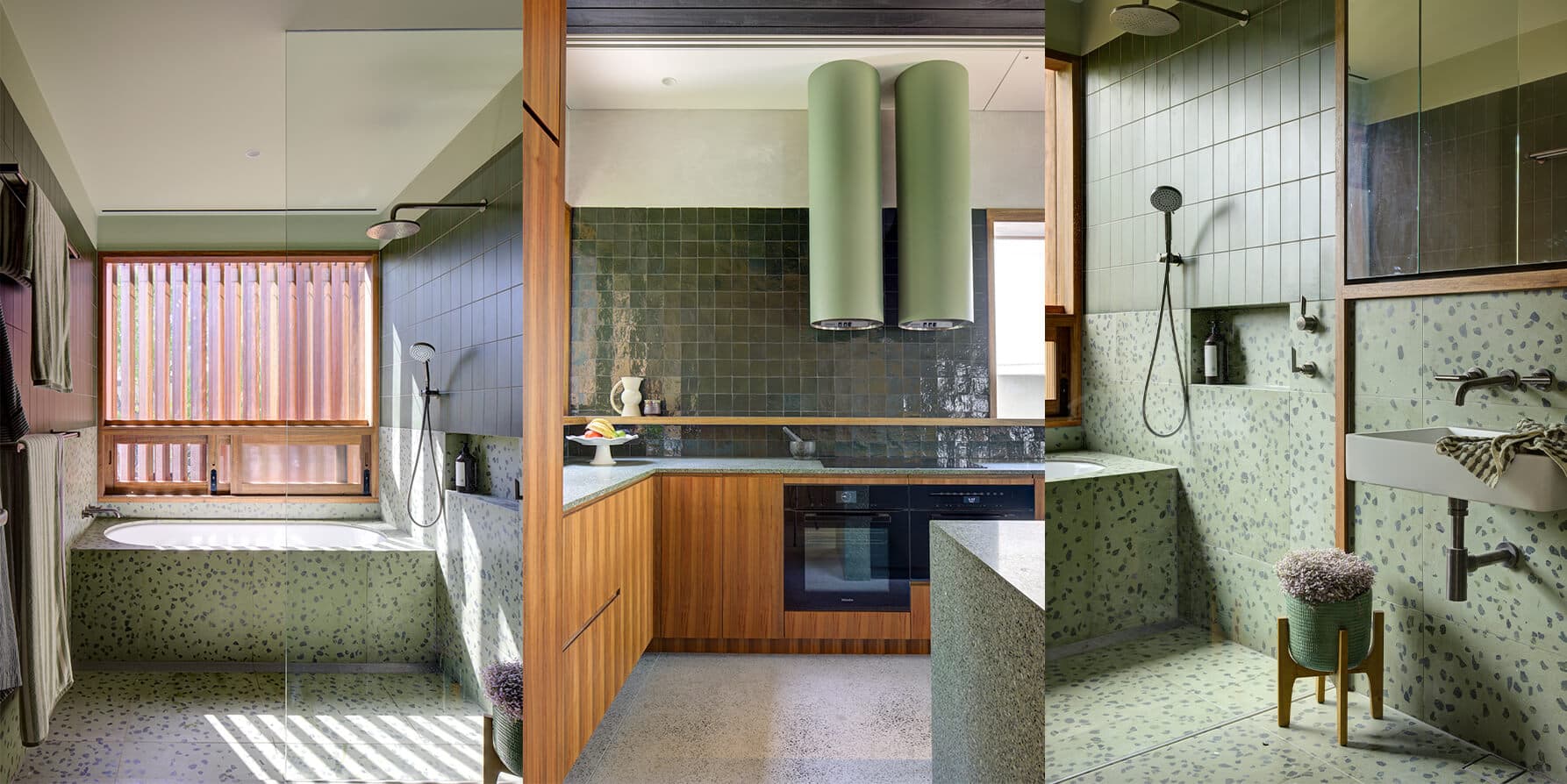
Our Waverley House renovation functions similarly, designed with passive heating and cooling, meaning that heating and cooling systems are used only for the warmest or coldest days.
Taking this approach saves significant operational costs while creating comfortable spaces that relate more closely to the external conditions.
We often encourage clients to experience a year without air-conditioning first, allowing for later installation if needed. Many find that a jumper or ceiling fan is preferable to the cost of rarely used systems.
Adding renewable energy – most commonly solar – is an excellent way to reduce reliance on fossil fuels. But not every roof or site is ideal for solar panels, and integrating them into the home’s architecture takes careful planning.
At SCA, our approach is to assess the feasibility of solar or other systems early in the site analysis process, so they feel like a natural extension of your home rather than an afterthought.
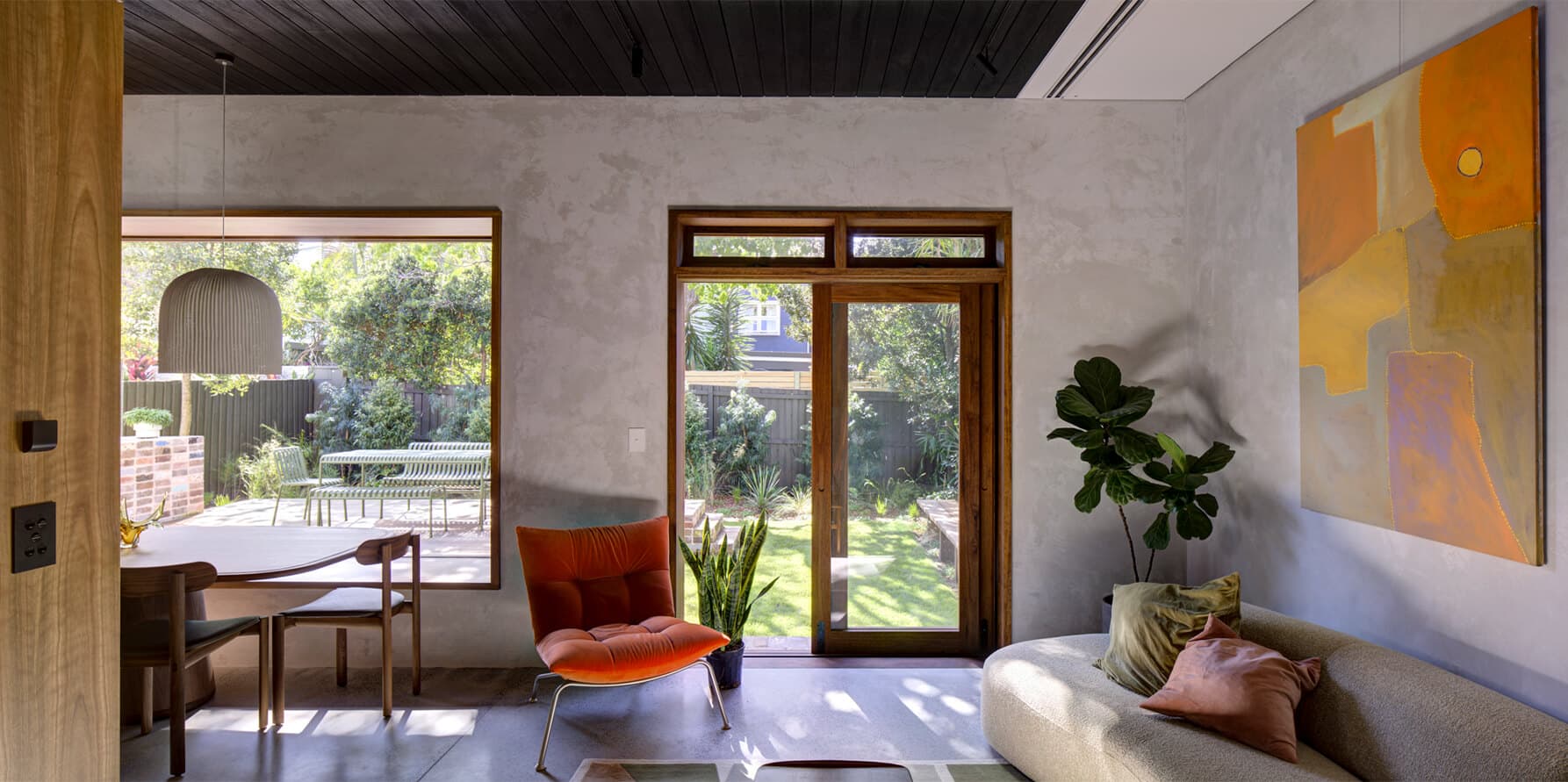
From flooring and cabinetry to paint and insulation, every material used in your home can either help or hurt the environment. Sam Crawford Architects prioritises materials that are:
We ensure that materials complement the overall design vision. Making sustainable choices need not mean compromising on comfort and aesthetics.
Water conservation is a crucial, yet often overlooked, component of sustainability. Renovations that include water efficient fixtures, dual-flush toilets, and greywater reuse systems can significantly reduce consumption without sacrificing performance.
Our designs often incorporate rainwater harvesting systems and drought-tolerant landscaping, which means more beautiful gardens with less effort required.
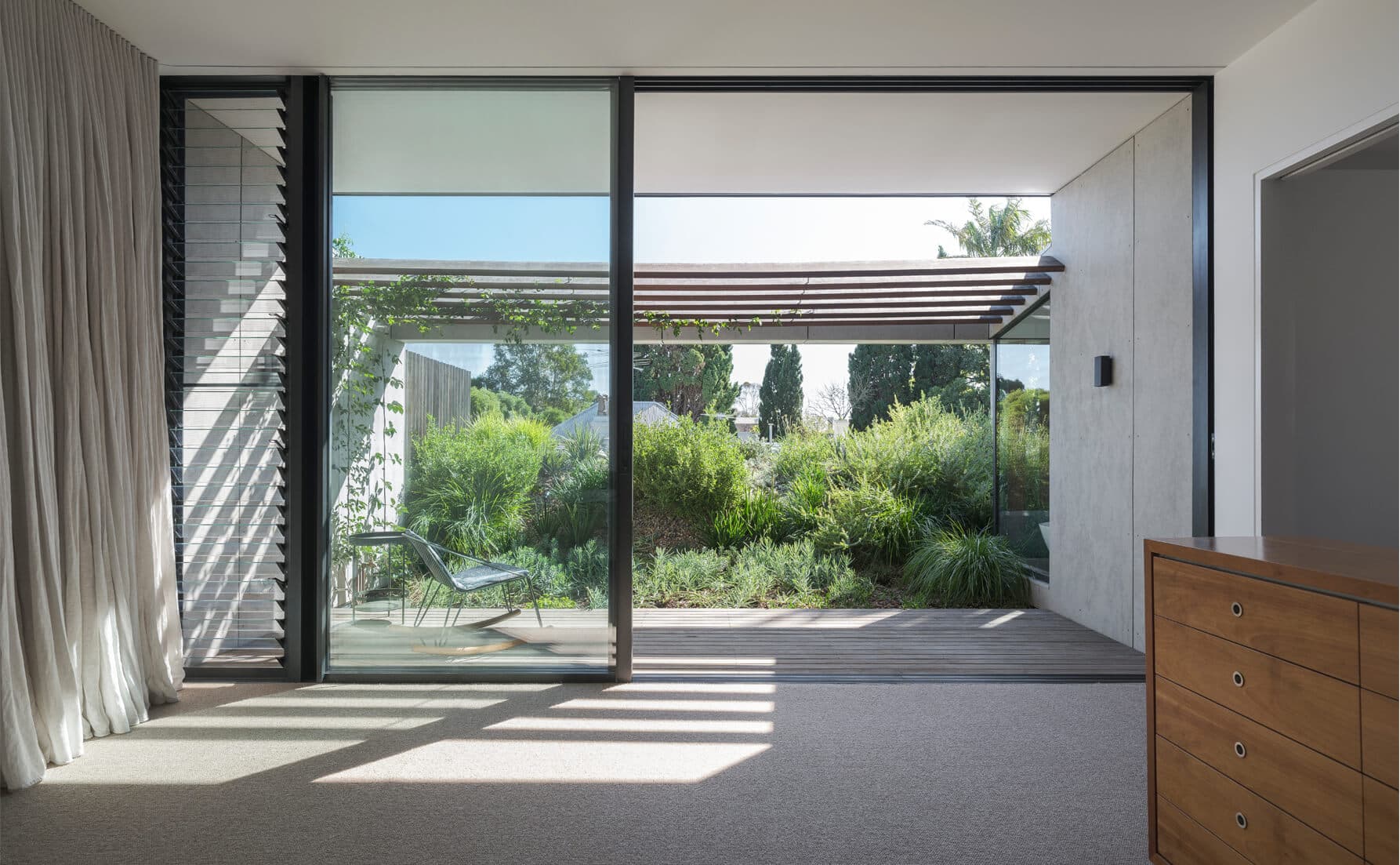
Renovating for sustainability is about so much more than switching to LED bulbs and buying a low-flow showerhead. Really making an impact on your energy, water bills, comfort, and the environment requires a comprehensive plan and thoughtful design.
Whether you’re updating a historic home with significant heritage value, or modernising an inner-city warehouse, your renovation can respect your house’s character while also improving its environmental performance.
At Sam Crawford Architects in Sydney, we take a holistic approach to making your house more sustainable. We evaluate your existing home and your long-term needs to design seamless solutions that enhance your lifestyle and meet your needs for years to come.
If you’re looking to reduce your environmental footprint, improve comfort, and future-proof your home, thoughtful sustainable design is the way forward. Beauty and sustainability are not mutually exclusive. Your home can have both.
Contact Sam Crawford Architects to discuss your renovation project today.
Sam Crawford Architects

11 Sep 26
You’ve engaged an architect. Now you’re weighing up whether you also need an interior designer, and whether skipping…

01 Jul 26
Sam Crawford Architects and three projects — Clovelly House, Waverley House and Kurraba Point House — feature in Grand Designs Australia's special report on home office, bedroom and play space design.