01 Jul 26
Heritage overlays, sloping sites, tight urban blocks, coastal exposures and complex planning controls all influence what is possible before a single design decision is made.
The residential projects we undertake at Sam Crawford Architects involve significant changes to existing houses through renovations and extensions, or a combination of both, as well as designing homes from the ground up. In every case, the process begins with understanding what a particular client needs from a specific site.
This guide addresses the most common questions homeowners ask when renovating, extending or designing a new home in Sydney and NSW, from early thinking and planning controls through to cost, processes, and what to expect when working with an architect. Consider it the groundwork for everything you should know before the first wall goes up.
Case Study
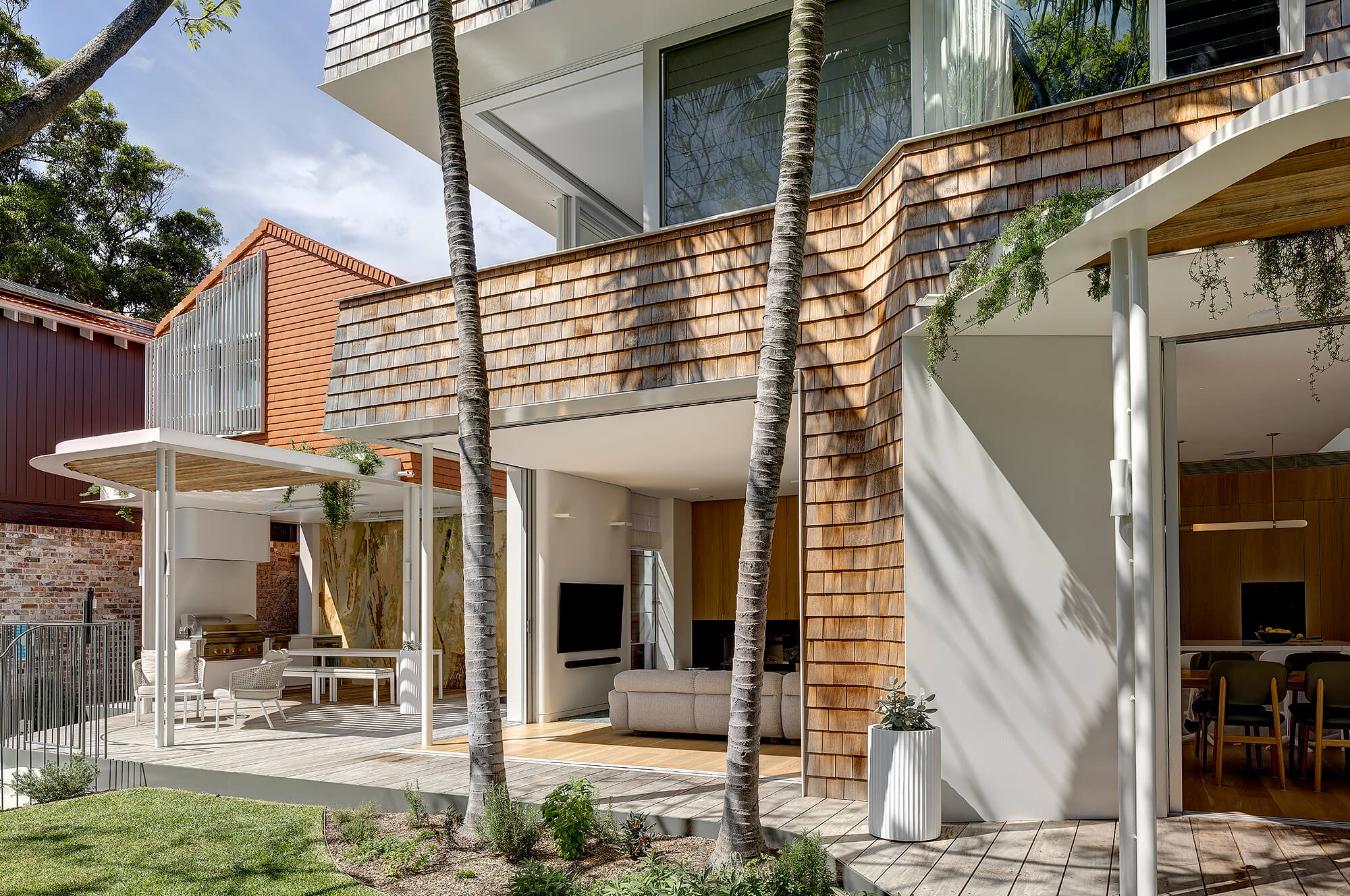
Bronte Sisters comprises two dwellings; a heritage listed house, previously renovated in 2011 by Andrew Burges Architects, and its neighbour, half of a pair of semi-detached dwellings.
View projectWhen beginning a new residential construction or renovation project, engage an architect as early as you can.
Ideally, before you finalise a budget or speak to a builder. You may consider seeking advice even before purchasing a site. While having a budget in mind is useful, an architect can also assist you in developing one that meets your brief.
The earlier an architect is involved, the greater their capacity to shape a considered outcome. Once a site is purchased, a budget is committed to, or a builder briefed, certain decisions become difficult to revisit. This holds whether you are renovating an existing home, adding an extension, or building from the ground up.
The right time to make contact is when you are still forming questions rather than making decisions. That might be when you are considering a property and want to understand what is feasible, or when you are ready to think seriously about what your existing home needs.
Engaging late rarely saves time or money. Depending on the project, it risks:
For heritage properties, early engagement is especially important. Conservation area requirements and council pre-consultation need to be worked through before design decisions are made.
An initial conversation costs nothing and will assist in developing a clearer picture of what is possible before any significant commitment is made.
You do not need everything on your project resolved before the first conversation with an architect.
Most architects expect to help you refine your thinking, not receive a finished brief. That said, coming prepared makes the conversation more useful for everyone.
It helps to bring what you can of the following:
If you are renovating or extending, any existing drawings of the home are worth bringing along. The first conversation is as much about fit as it is about information. Your goals, budget and timeline are the most important starting points. The remaining items will become relevant as the project develops. Come with honest questions and an open mind.
Case Study
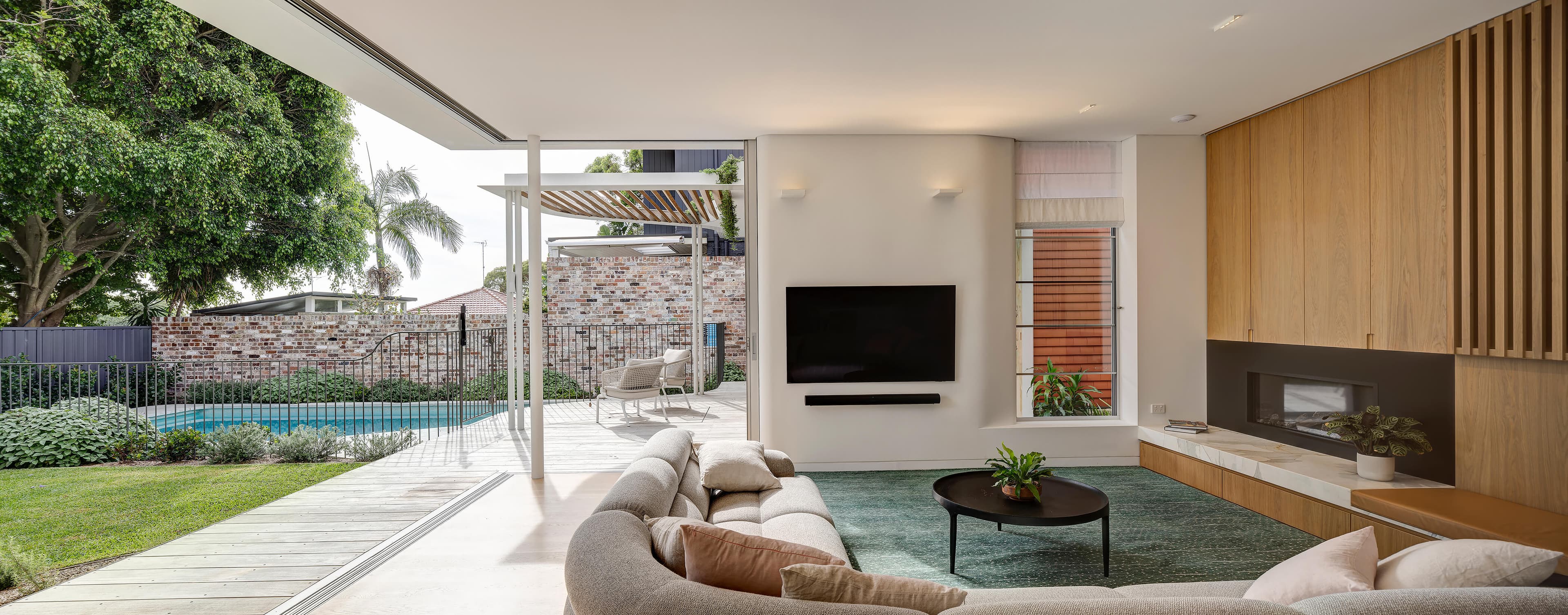
From Dysfunction to Clarity and Comfort: An intelligent rethink of a once difficult, disconnected home.
View projectWhat you can build on a residential site in NSW depends on a combination of factors specific to your site and its location. There is no single answer, but there are clear places to look.
The starting point is your zoning under the relevant Local Environmental Plan (LEP). A Section 10.7 Planning Certificate, which should have been provided with your contract of purchase or can be obtained from your council, will give you a high-level overview of the LEP and any applicable DCP requirements.
In Sydney, residential zones broadly fall into low density (R2), medium density (R3) and high density (R4) categories, each permitting different building types, heights and site coverage. Across NSW, the same zoning framework applies, though the specific rules vary significantly between councils and regions. Your local council's LEP and Development Control Plan (DCP) set out the controls relevant to your property.
Beyond zoning, a range of other controls shape what is possible:
The most reliable starting point is the NSW Planning Portal, which shows zoning and overlays for any address across the state. An architect familiar with your local council can then interpret what those controls mean in practice for your specific site and intentions.
Case Study
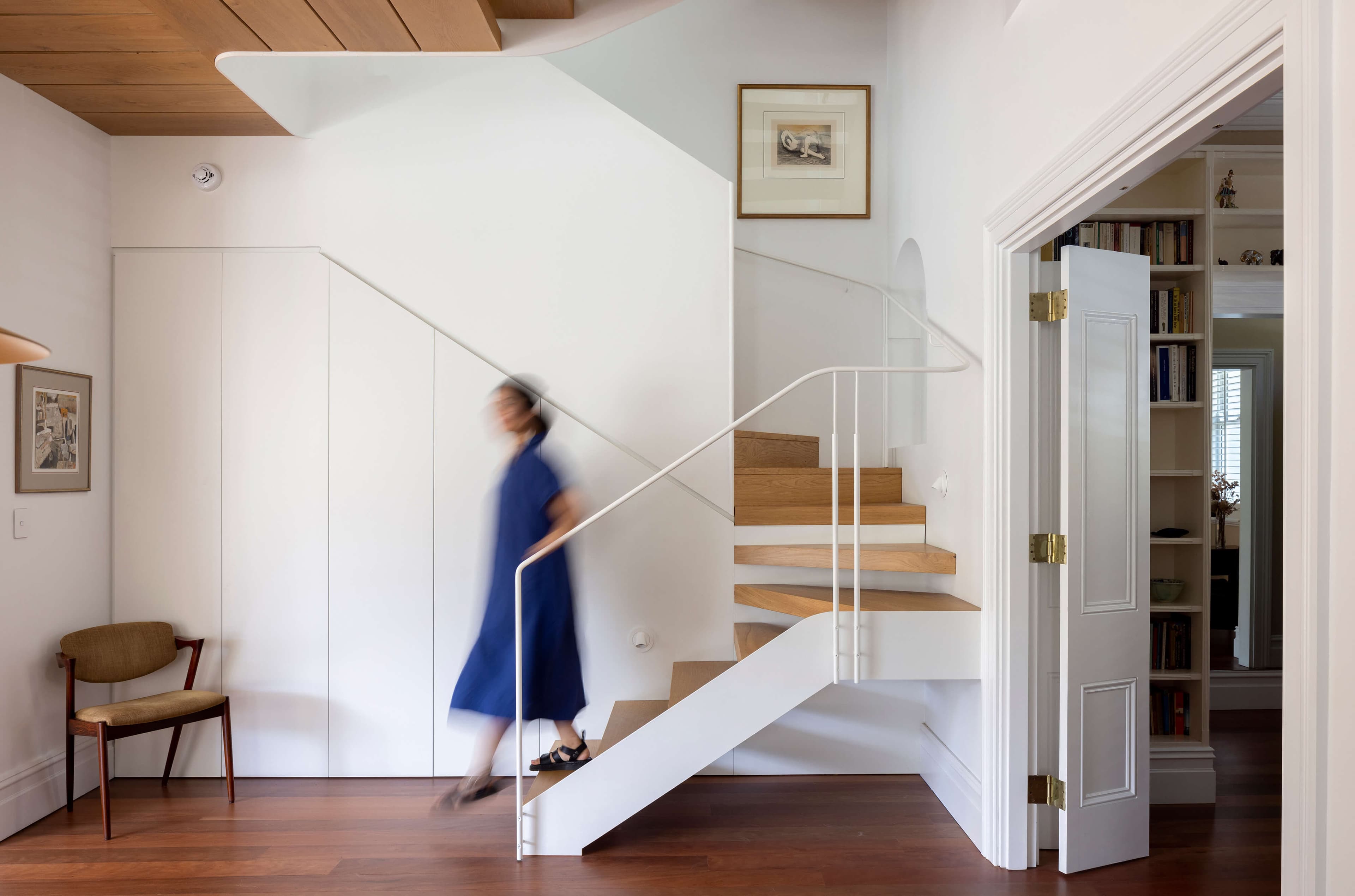
Cascade Terrace knits together and unifies an original Victorian terrace with a 1980s added twin, to create a retreat for a couple to age in a home they have loved, with more space, light and views to a nearby park.
View projectZoning and planning controls shape what is possible on your site before a single design decision is made.
Whether you are building new, renovating, or extending, these rules define the boundaries within which any project must operate.
Zoning determines how land is categorised and what can be built on it. For instance, a residential zone permits houses; an industrial zone does not. Planning controls then set the specific rules that govern how buildings on that land are designed and built. In NSW, these rules are set out in two key documents: the Local Environmental Plan (LEP) and the Development Control Plan (DCP).
To put this in context, here are a few scenarios in which these controls shape what is possible:
These controls do not simply restrict what is possible. They also reveal where the opportunities are. A good architect reads planning controls not as a checklist of limitations, but as a starting point for understanding what a site will genuinely support.
Site-specific overlays add further considerations, such as:
The NSW Planning Portal is a reliable starting point. An architect familiar with your local council can then translate those controls into what they mean for your specific site and ambitions.
Most residential projects in NSW require formal approval before work begins. The two most common pathways are a Development Application (DA) and a Complying Development Certificate (CDC).
A DA is assessed by your local council and involves public notification, neighbour review and evaluation against local planning controls. It is the more flexible pathway, suited to complex, non-standard or heritage projects. The trade-off is time: DAs typically take three to six months once submitted. A DA addresses planning permission only, so a Construction Certificate (CC) is also required before building work can begin. A CC is assessed by a private certifier and confirms compliance with the Building Code of Australia.
A CDC is assessed privately by an accredited certifier against a fixed set of state standards and incorporates the CC, meaning a single approval covers both planning and building compliance. If your project meets those standards precisely, approval takes weeks rather than months. There is less flexibility, but for straightforward projects it is often the more efficient route.
To illustrate:
A single-storey rear extension on a standard R2 block in Randwick, with no heritage overlay and a design that meets all relevant state standards, would likely qualify for a CDC. The same extension on a heritage-listed property in Paddington, or one that pushes against the site's floor space ratio, would likely require a DA through the local council.
Case Study
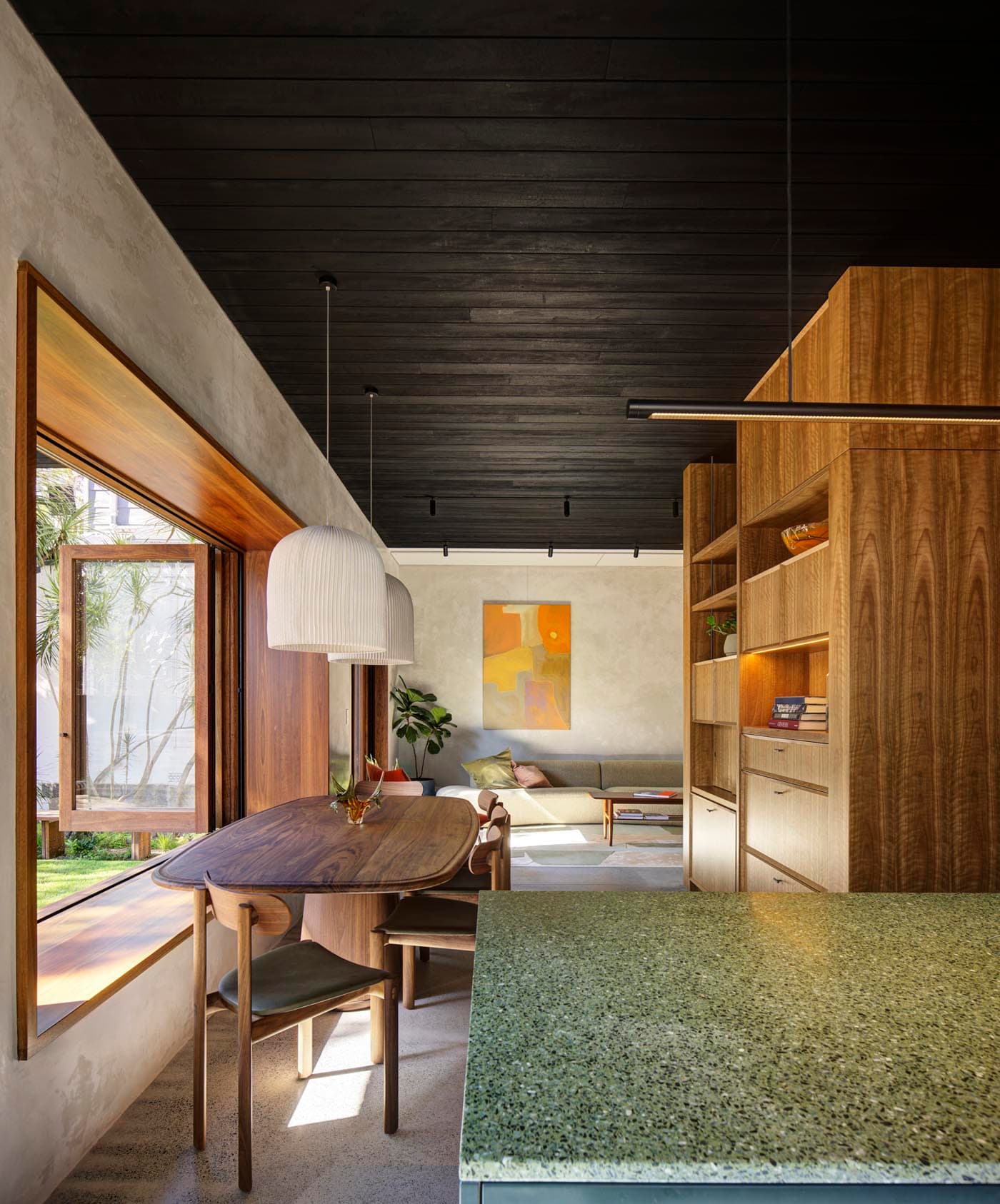
Nestled among magnificent Moreton Bay figs in a quiet Waverley backstreet, the residence creates space for growth while also offering moments of reflection and tranquility.
View projectEvery site has its own character, and that character shapes the design from the very beginning. Slope, orientation and size are not obstacles to work around. In the right hands, they become the starting point for something considered and particular to its place.
Slope influences how a building meets the ground and where natural light enters. A steeply sloping site might limit certain configurations, but it can also create opportunities for split-level living, elevated outlooks and spaces that open to the landscape in ways a flat block never could.
Orientation determines how a home responds to the sun and breeze. A north-facing living area captures winter sun and can be shaded from summer heat with a well-placed eave. Poor orientation is harder to resolve, but thoughtful design can mitigate it through careful window placement, skylights, and cross-ventilation.
A compact urban block demands efficiency and precision, with the relationship between inside and outside becoming especially important. Larger sites offer more freedom but raise questions about scale, privacy, and connection to the landscape.
Across Sydney and NSW, most sites come with at least one complicating condition. The ones that appear most constrained often produce the most thoughtfully designed homes.
Case Study
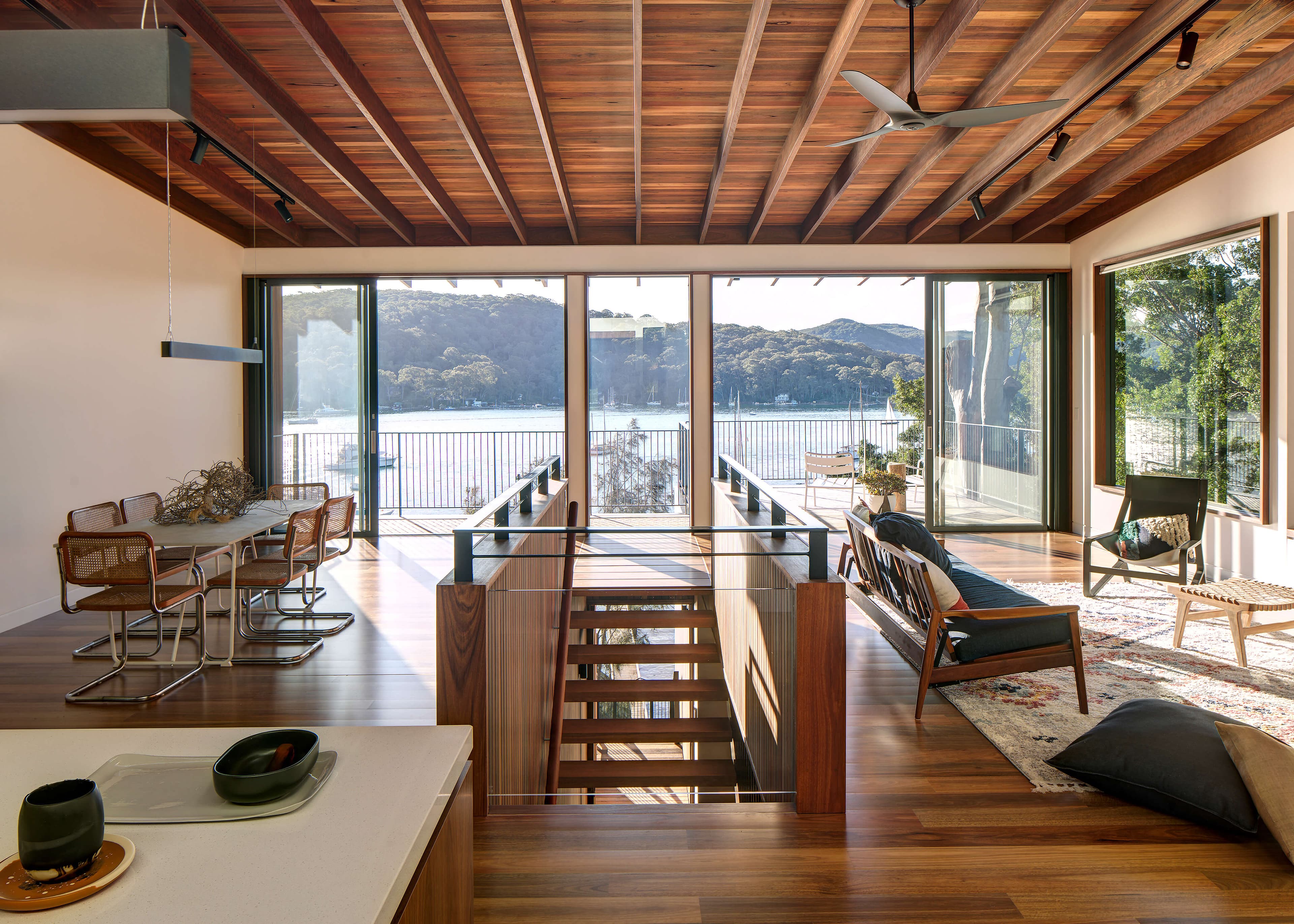
A simple, low maintenance easy to live in home capturing stunning views of Pittwater and the Ku-ring-gai* Chase National Park, as well as the surrounding bush and nearby beach.
View projectArchitect fees are not one-size-fits-all. They reflect the scope, complexity and level of service a project requires, and are structured in a few different ways depending on what suits the project and the client.
The most common approach for residential work is a percentage of the total construction cost. Complex or heritage projects typically attract higher fees than straightforward new builds. For percentage-based engagements, fees are broken down by stage, covering:
A lump sum fee works well when the scope is clearly defined from the outset. An hourly rate tends to suit early-stage advice, feasibility assessments or smaller commissions where the brief is still forming.
Most architects offer an initial conversation at no cost. A full architectural service covers everything from the first sketch through to the completion of construction, with your architect acting as your representative at every stage.
Construction costs in Sydney vary widely depending on the size, complexity and finish level of a project, as well as site conditions and current market rates, making it difficult to provide figures that are meaningful without understanding a project in detail.
The most reliable way to develop a realistic cost picture is through your architect's informed view based on comparable projects, an early estimate from a builder familiar with your architect's work, or a detailed cost plan from a registered Quantity Surveyor on larger or more complex projects. Each has its merits depending on the stage and scale of your project.
Construction costs cover building work only. Architecture, engineering, planning and other consultant fees are additional, as are council and statutory costs.
Clear documentation and a properly tendered builder contract give you the best chance of staying within budget. A good architect will help you understand where your project sits within these bands from the earliest stages of design.
Case Study
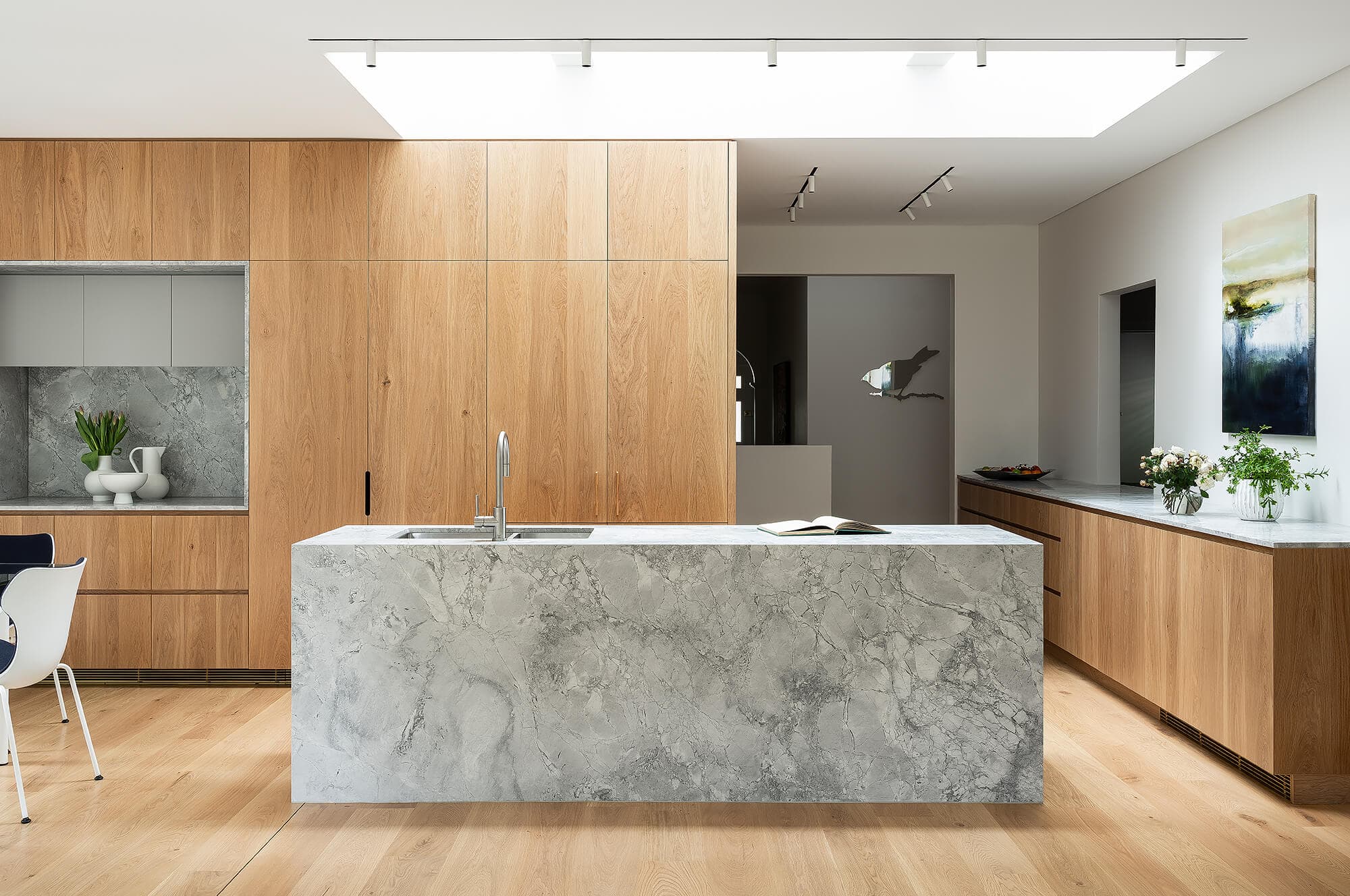
Designed for a garden-loving client in Artarmon, on Sydney’s North Shore “House in the garden” is an addition to the rear of a modest, interwar bungalow set within a beautiful established garden.
View projectFor many Sydney homeowners, a renovation or extension is the preferred path rather than a knockdown rebuild. The existing structure, the character of the home, the garden that has matured over decades, and the street presence built up over time. These are worth preserving when the bones of a house are sound.
That said, the right answer depends on the condition of your home and what you are trying to achieve. A house with serious structural problems, a layout that cannot be resolved without near-total demolition, or one that has been so altered over the years that little of value remains, may be a genuine candidate for rebuilding.
A few questions worth considering early:
Renovation and extension, done well, can transform a home entirely while retaining what gives it its character. For homes with genuine architectural merit, it is almost always the more considered path. Additionally, retaining as much of the original fabric as possible will nearly always be the most sustainable approach.
Case Study
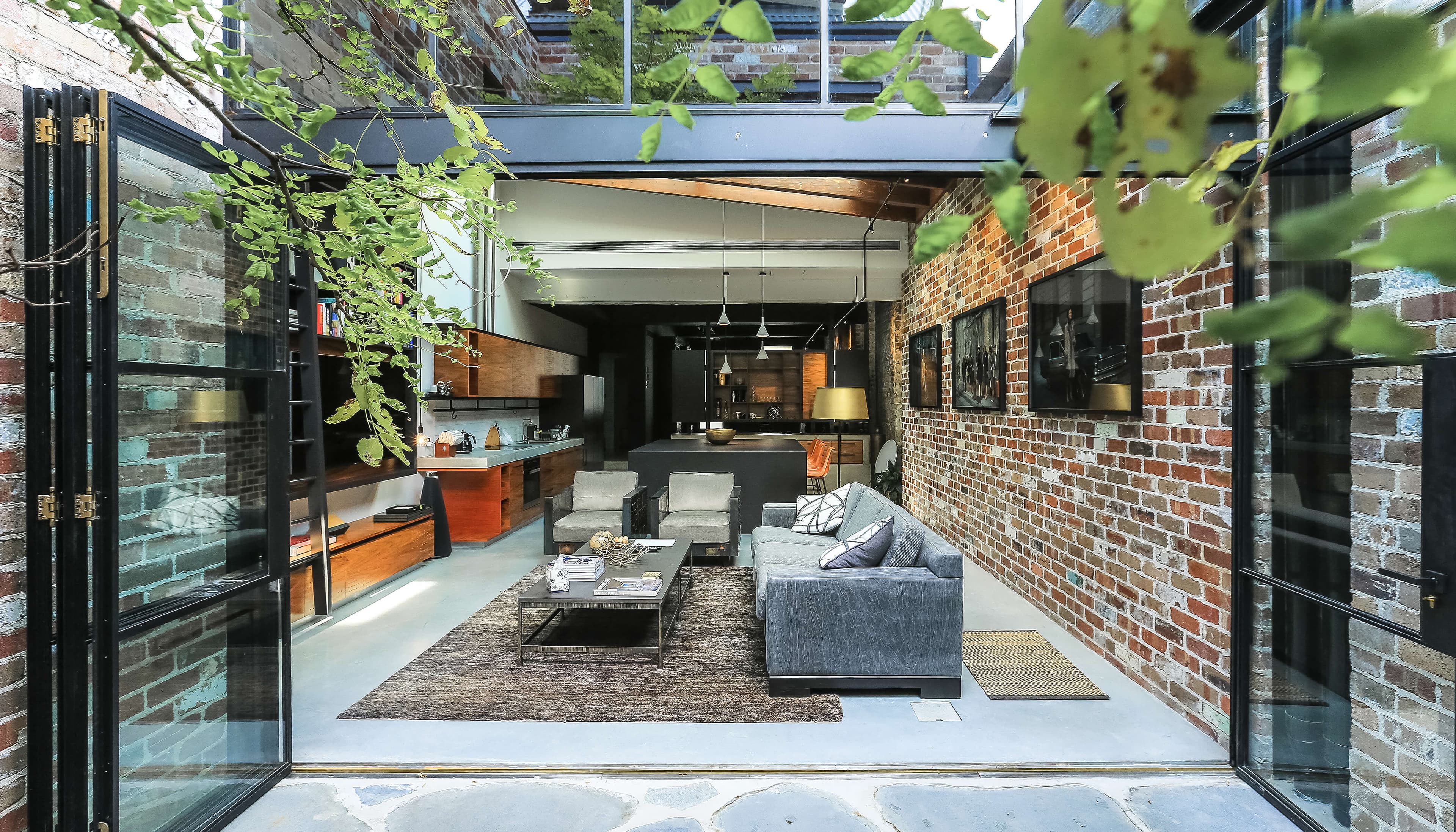
Intelligent planning to maximise sun penetration and flexible living was required for this very long, narrow site in the heart of Darlinghurst, that was previously a commercial garage bounded by terrace houses on all sides.
View projectThis question is worth approaching from two angles: financial return and quality of life. The most meaningful projects are those where the two align.
The changes that tend to deliver the strongest returns are those that address what the home fundamentally lacks. That might be light, space, a connection to the garden, or a layout that no longer suits the way a family lives.
The interventions that add the most value, broadly:
The quality of the design matters as much as the scope of work. A modest extension designed with care and precision will outperform a larger one that ignores how light moves through the spaces or how the family actually lives.
Heritage listing or inclusion as a contributory item in a conservation area means your home is recognised as having historical, architectural or cultural significance.
That recognition comes with a set of controls that govern what changes are permissible and how they are carried out.
Heritage listing applies to individual properties identified as significant in their own right. A conservation area is broader, covering a streetscape or neighbourhood where the collective character is considered worth protecting. Your property does not need to be individually listed to be affected; if it sits within a conservation area, some of the same controls will likely apply.
In practical terms, any work that alters the appearance, fabric or character of the building will be assessed against heritage guidelines. Some changes require council approval that a non-heritage property would not need. Others may be restricted or refused entirely.
What this does not mean is that nothing is possible. Heritage controls are not a prohibition on change. They are a framework for change that is considered, respectful and well-reasoned. Thoughtfully designed alterations and additions to heritage homes are approved in Sydney and throughout NSW every day.
The NSW Heritage Office provides guidance on heritage controls and obligations across the state.
Case Study
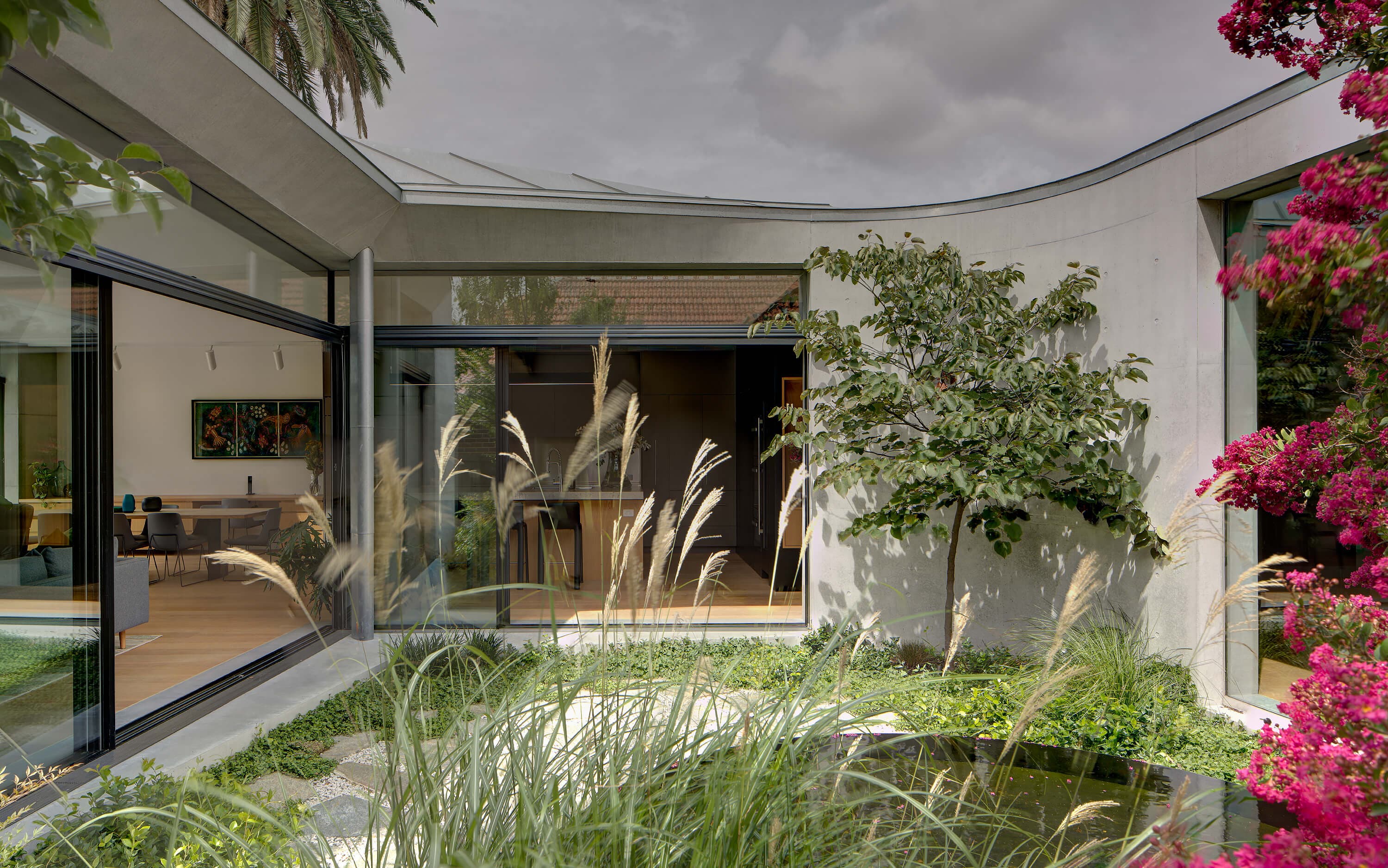
A once-congested home was opened up with fluid, spacious and contemporary living spaces and a restrained material palette.
View projectWhen renovating a heritage home or one in a conservation area, what you can change depends on your listing, your council and the nature of the work. But some principles hold broadly across Sydney and NSW.
Street-facing elements are typically the most tightly controlled. Original facades, rooflines, windows, doors and materials are generally expected to be retained and restored rather than altered. In suburbs like Paddington, Woollahra and Annandale, where rows of Victorian and Federation terraces define the character of entire streets, councils are particularly attentive to anything visible from the public domain.
The rear of a property usually offers more scope. Extensions, new openings, skylights and internal reconfigurations are regularly approved in heritage homes, provided they are sensitively designed and do not compromise the integrity of the original building.
Internally, there is often considerable freedom. Changes to layout, finishes and services that do not affect the exterior or significant interior fabric are generally permissible without the same level of scrutiny.
Heritage terraces in the Inner West and Eastern Suburbs present particular challenges of their own. Long and narrow, with limited natural light, steep staircases and compartmentalised rooms, they reward the kind of careful, site-specific thinking that unlocks space and light without erasing what gives the home its character.
Case Study
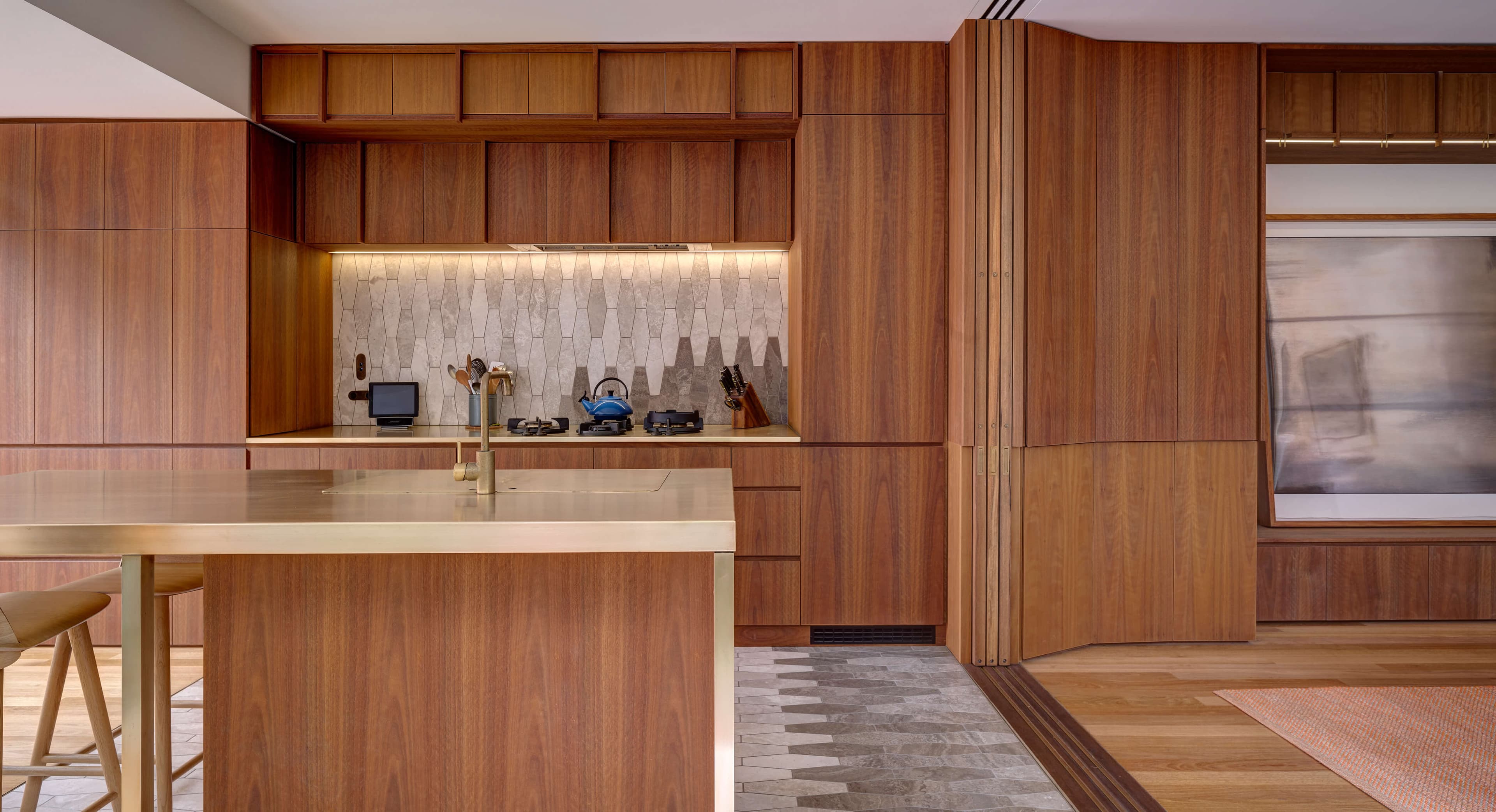
Bringing together these disparate elements drove the design of the alterations and restoration of their 19th century two storey Victorian terrace house in a heritage conservation area. The alterations include a new open plan kitchen, dining area, hidden laundry, bathrooms on both levels and a new courtyard garden.
View projectThe honest answer is that it depends on the scale and complexity of the project. But most homeowners underestimate the time involved, particularly in the early stages before construction begins.
For a meaningful renovation or extension, a realistic total timeline from first conversation to completion looks something like this:
A single-storey extension with straightforward approval might be completed within 8 to 12 months. A second-storey addition, a complex renovation, or any project requiring a DA in a heritage area should be planned over 12 to 18 months or more.
It is also worth accounting for conditions particular to Sydney. Older homes in the Inner West or on the North Shore often reveal unexpected issues once work begins, from asbestos to structural problems that require careful resolution. Tight urban sites slow demolition and deliveries. Any project that spans December and January will lose two to three weeks to the summer shutdown.
Designing and building a new home is a long and considered process.
The stages broadly unfold as follows:
Case Study
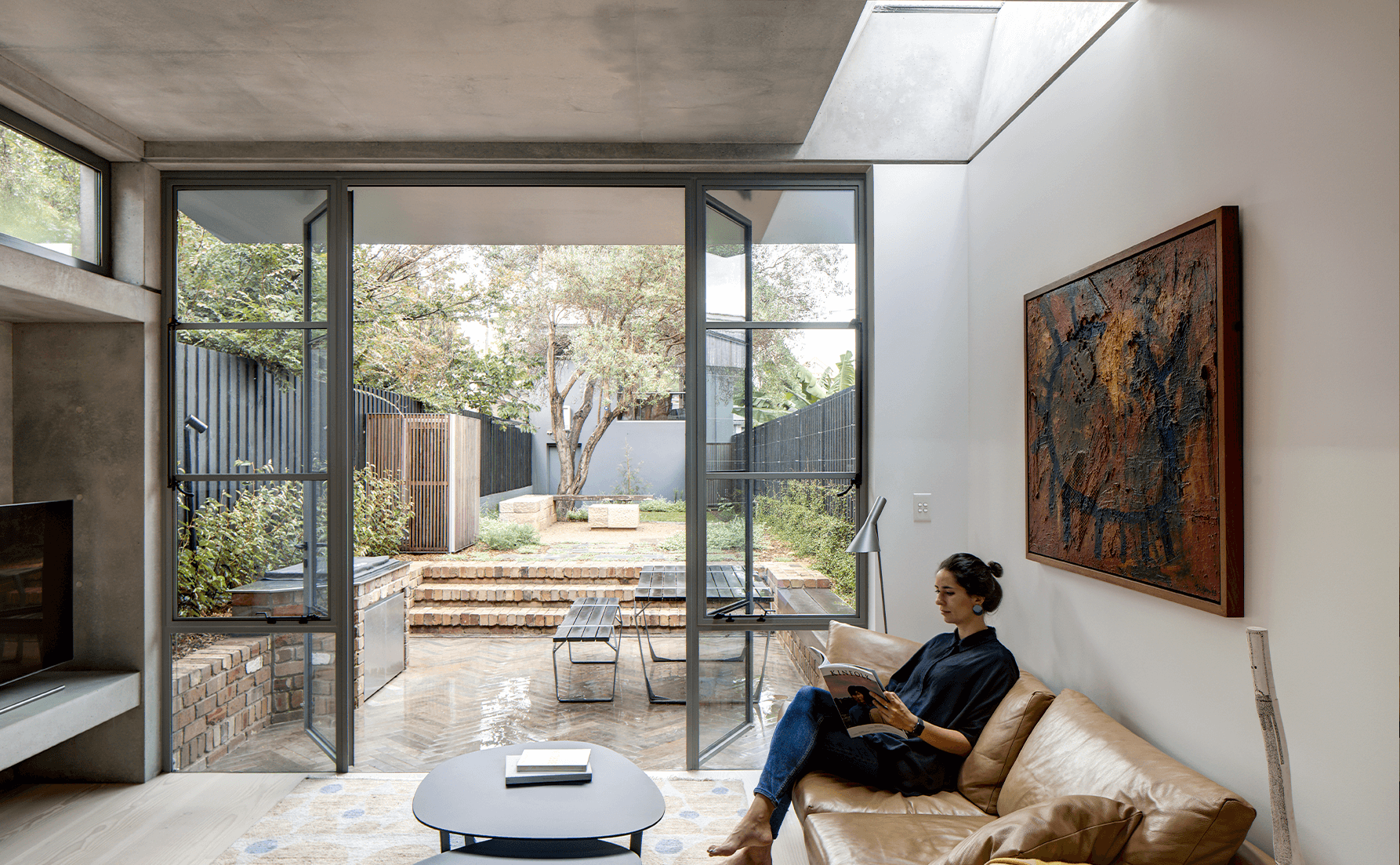
The brief for the project was to update the house internally with emphasis on creating light-filled, elegant, minimalist spaces that allow the client’s remarkable art collection to be the main protagonist.
View projectFrom the first conversation to moving in, most custom-designed architect homes in Sydney take between 18 months and 2.5 years.
Design, documentation, and approvals typically take 6 to 12 months before construction begins. A DA in a straightforward residential zone might be determined in three to four months. A heritage site, a complex council area or a project requiring additional studies can extend that considerably.
Construction generally takes twelve to eighteen months, depending on scale and complexity. Site conditions specific to Sydney add their own considerations: sloping blocks require more complex foundations, tight urban sites slow deliveries and access, and the summer shutdown period is a near-universal feature of the Sydney building calendar.
The factors that most commonly influence the timeline include:
Rushing the early stages rarely saves time overall. A well-considered, thoroughly documented design gives your builder the clarity to work efficiently and gives you the best chance of a smooth build.
Case Study
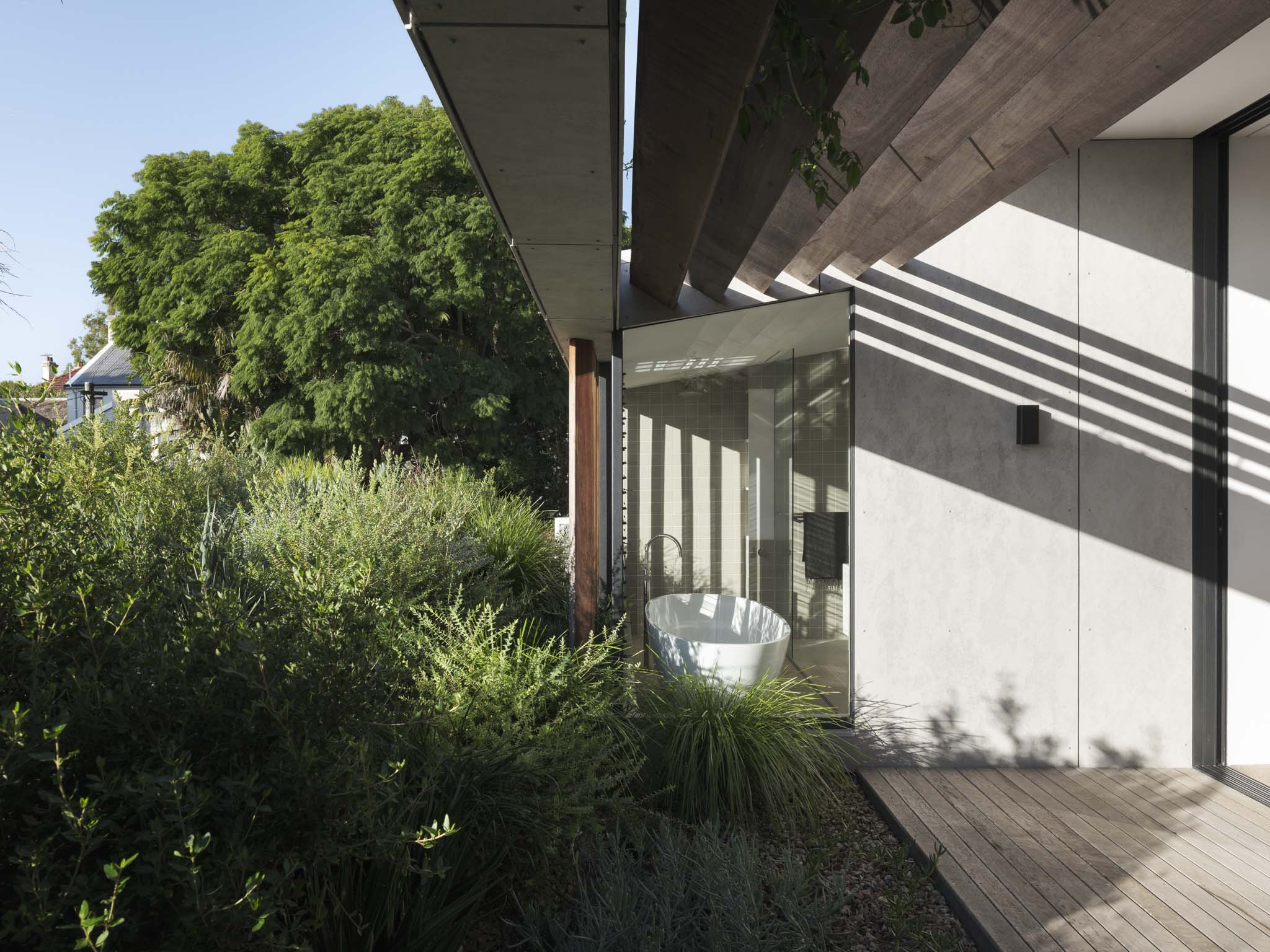
The clients’ brief was to alter their house providing light & warm spaces, passively heated & cooled. They wanted quality over quantity, improved functionality, and low maintenance.
View projectEvery project begins with a conversation. At Sam Crawford Architects, we listen first, then work to understand what your site makes possible and what your life requires from a home.
Whether you are renovating a terrace in the Inner West, extending a home on the Northern Beaches, or building something new on a site that deserves a considered response, we bring the same rigour, care and clarity to every stage of the process.
If you're considering renovating, extending or building a home in Sydney, an early conversation can help clarify what's possible for your site and your budget.
We welcome the opportunity to work with you to create a home that is thoughtfully designed for the way you live.

29 Jul 26
Planning a renovation or new build in Sydney? An architect’s greatest value is often in the costly problems they prevent before construction even begins. Learn what a residential architect genuinely brings to your project across site feasibility, council approvals, precise documentation, and builder management.

20 Jul 26
Illiana Jones shares insights from her Byera Hadley Scholarship on autism-friendly public space design across three continents. Read to learn more.