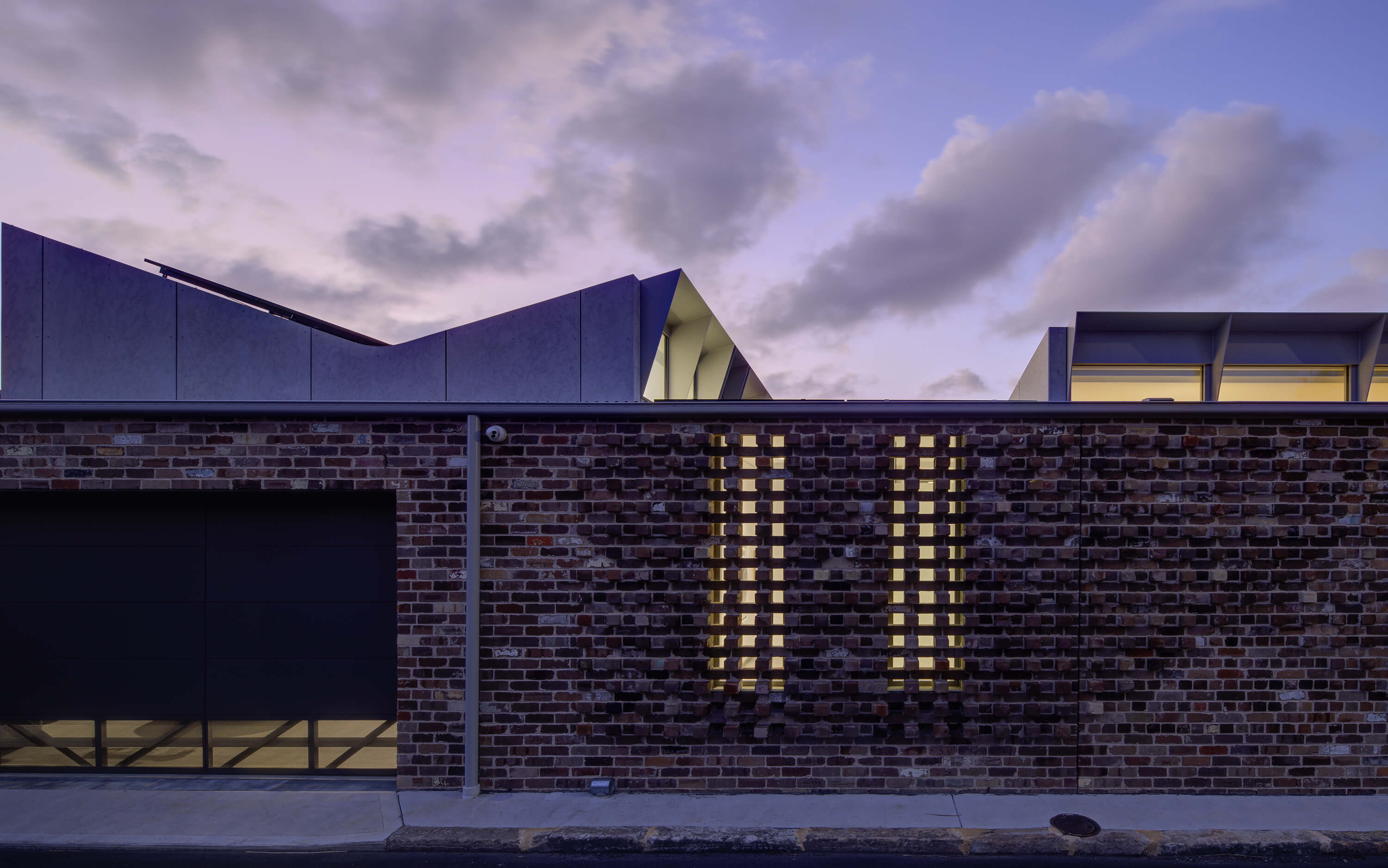
Laneways
Reflections on the quieter spaces that shape our cities
Reflections on the quieter spaces that shape our cities

Sam Crawford
Director
25 Mar 26
Reflections on the quieter spaces that shape our cities
One of the best ways to understand a city is through its laneways. I love to explore a city or neighbourhood this way.
In Sydney, a laneway might reveal a rat, an illegally parked late-model Range Rover, a burnt-out wheelie bin, or the crumbling wall of a 19th-century outhouse. In Seoul, you might encounter service meters artfully arranged like sideshow clowns and the strangely sweet smell of sewerage. In Colombo, resting rickshaw drivers and piles of terracotta roof tiles.
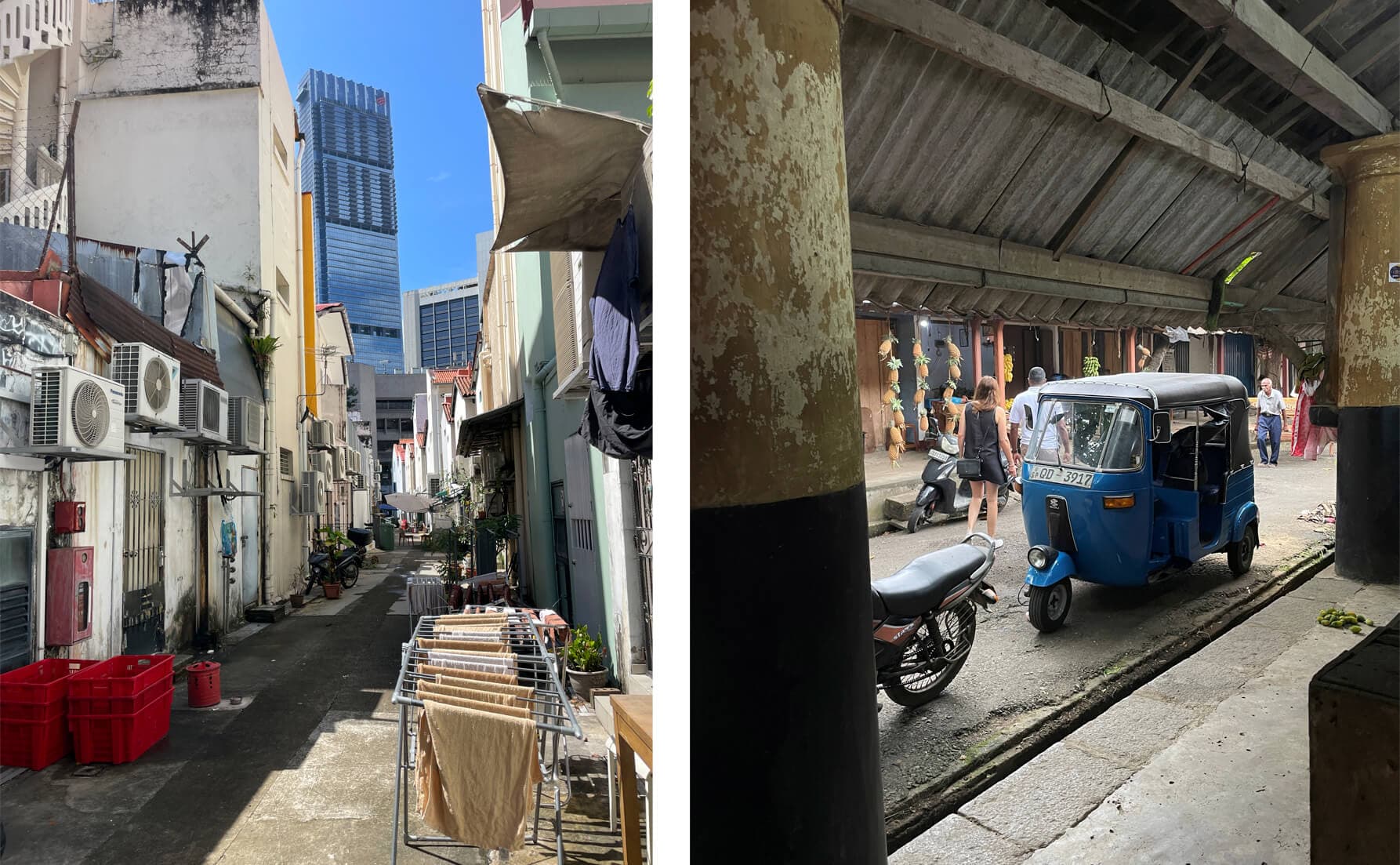
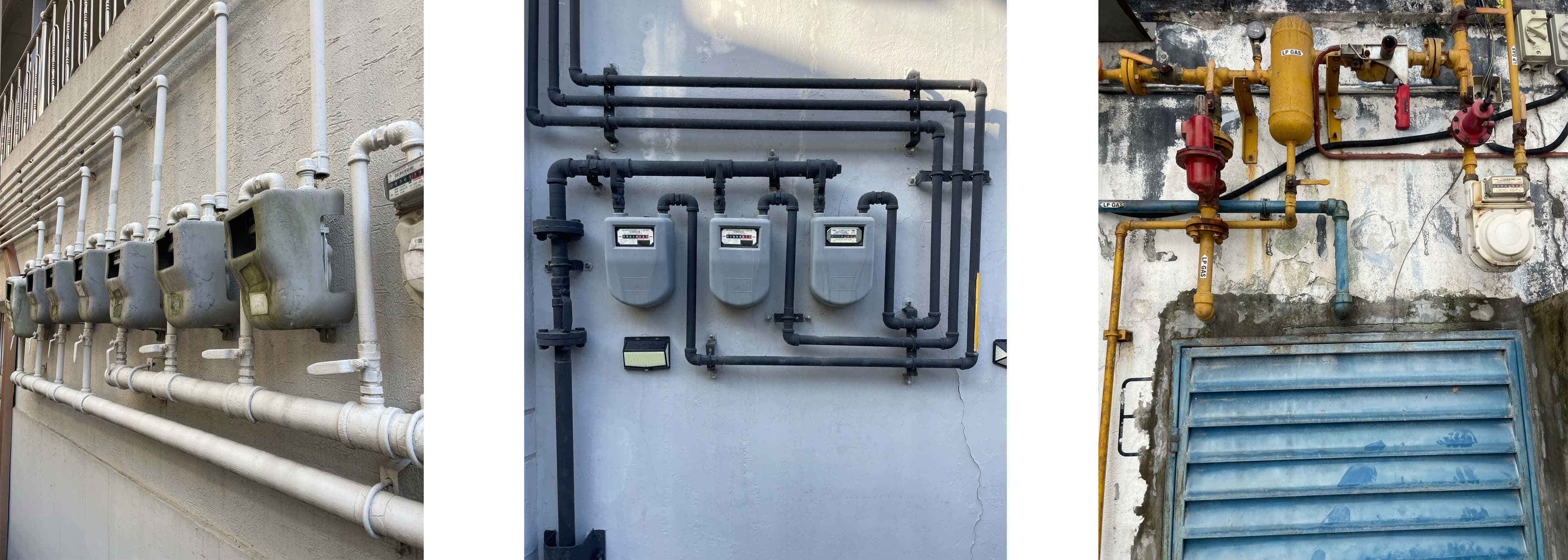
Laneways express something about the character of a place and its inhabitants that a street cannot, or perhaps chooses not to. Our street address is our dressed-up self, the front we present to the world and the version of ourselves we wish to project. Laneways often reveal something different. They show us in more vulnerable moments, where we put our waste and where we leave unwanted furniture that a passer-by might give a second life.
One is not more real than the other. Our public persona is as much a part of us as our private one. It is simply that the laneway version is often more layered than the carefully composed façade.
Laneways are intimate spaces, both in proportion and character, quieter than streets and often more pedestrian-friendly. Vehicles move slowly, winding around bins and detritus, leaving pedestrians free to wander and observe the city from another angle.
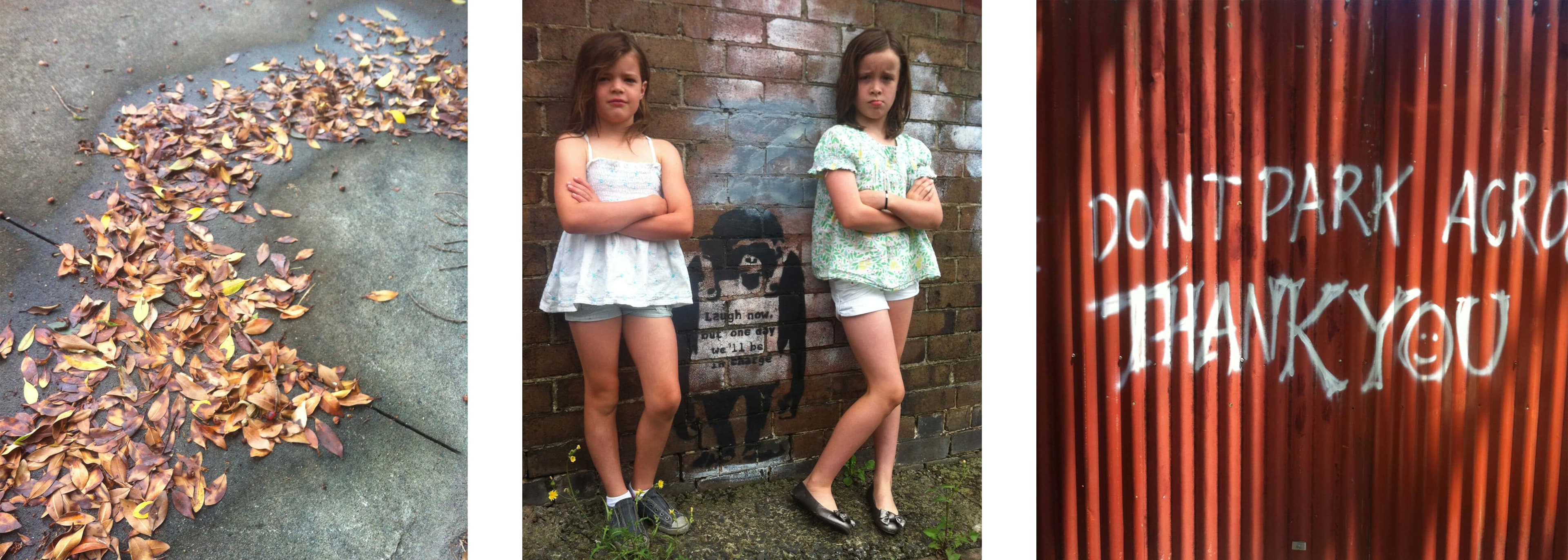
Here, graffiti has a longer half-life and surfaces are scrappier. Conversations waft through open windows like cooking smells. Children play. Leaves gather.
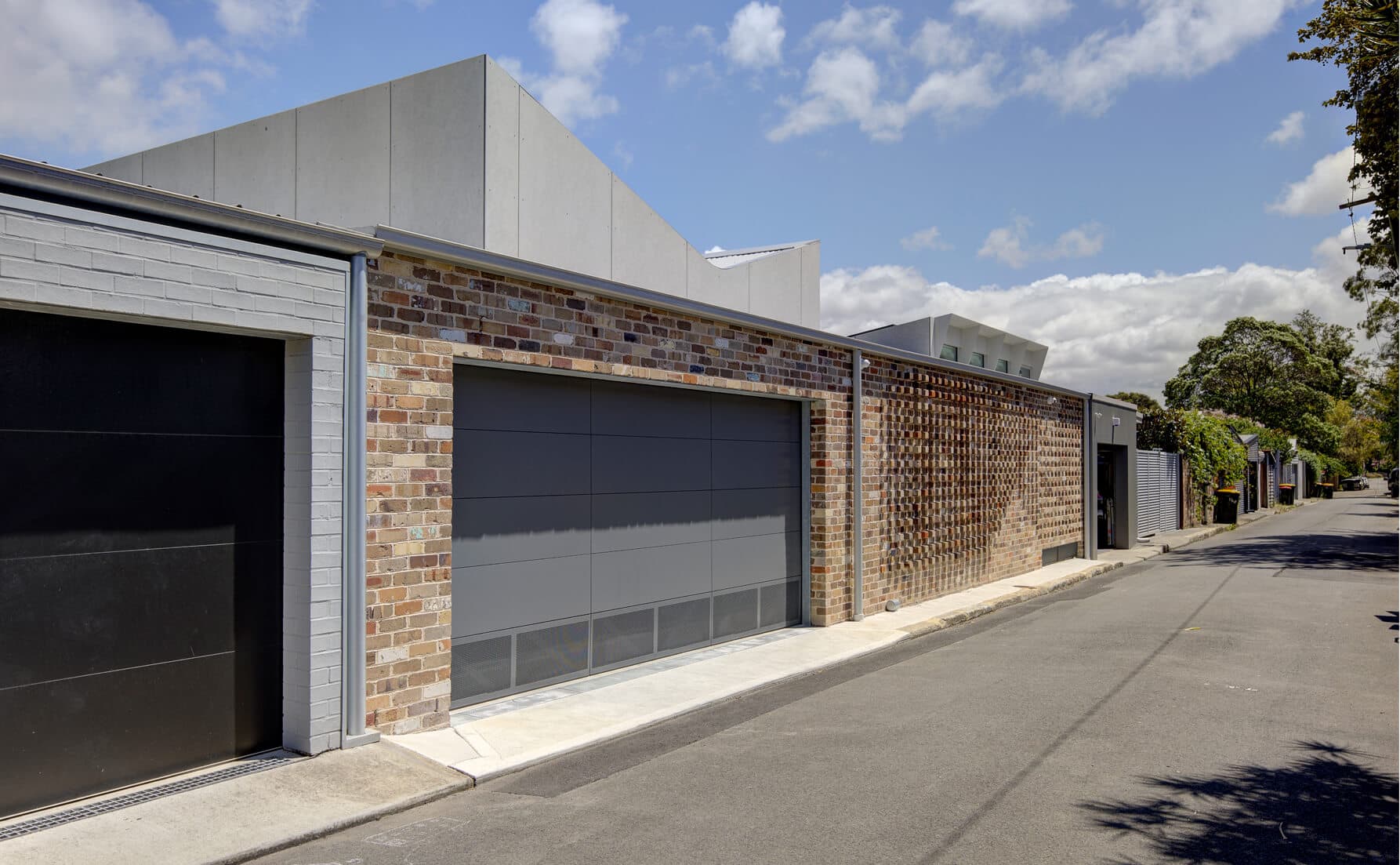
The laneway address, the rear of our buildings, can add a sense of belonging to a community and a depth to the character of a neighbourhood. In Sydney’s historic neighbourhoods in particular, these spaces quietly support the everyday life of the street.
In our own work, we often engage with these overlooked edges of the city, treating the rear of buildings with the same care as the primary street façade. Whether designing a terrace house or a public pavilion, we aim to bring texture, dignity and personality to these often overlooked edges, recognising that the character of a neighbourhood is shaped just as much by its laneways as by its streets.
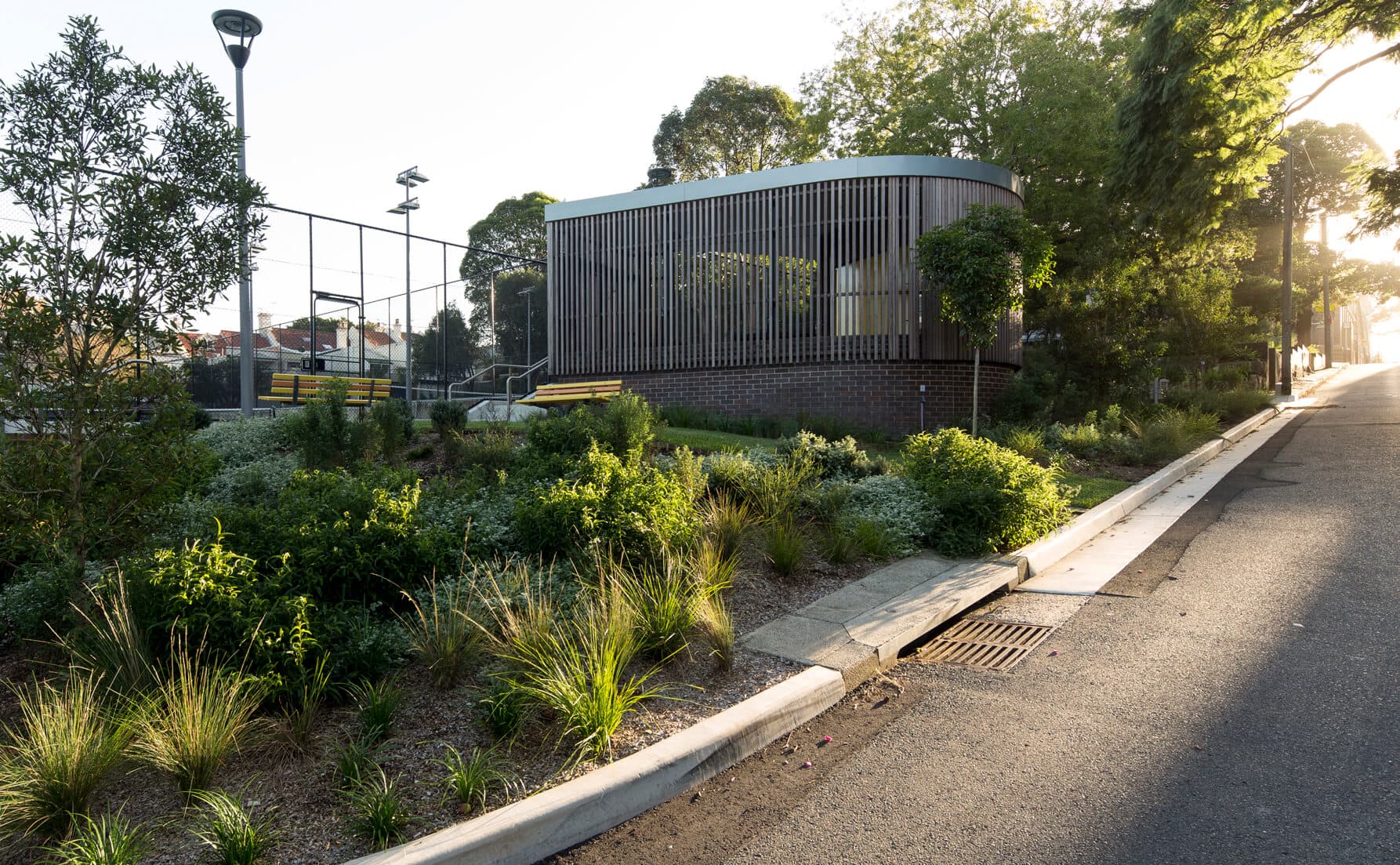
Sam Crawford
Director

12 Feb 26
Renovating a terrace within a heritage conservation area requires careful navigation of planning controls, heritage fabric and contemporary living needs.

18 Dec 25
If you’ve ever been shocked by your energy bill, while your home feels too hot or cold, you’re…