
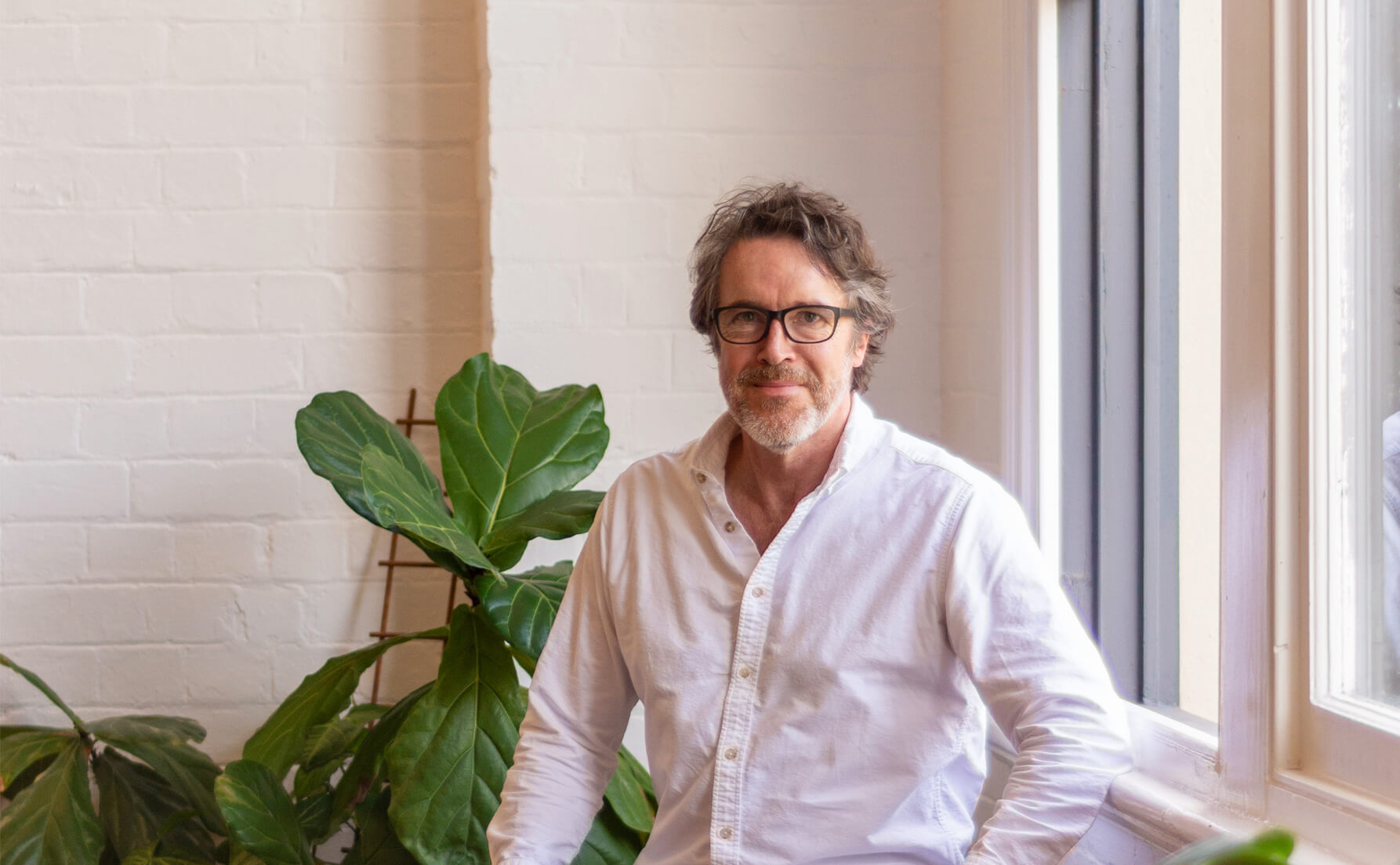
Jarad Grice
Senior Associate
17 Nov 26
is not something I ever expected to hear on a job site — from a client — but it's a position I once found myself in.
Did I accept?
You'll have to read on to find out. But more importantly, there was a reason this moment mattered — and why, at the time, it was very welcome.
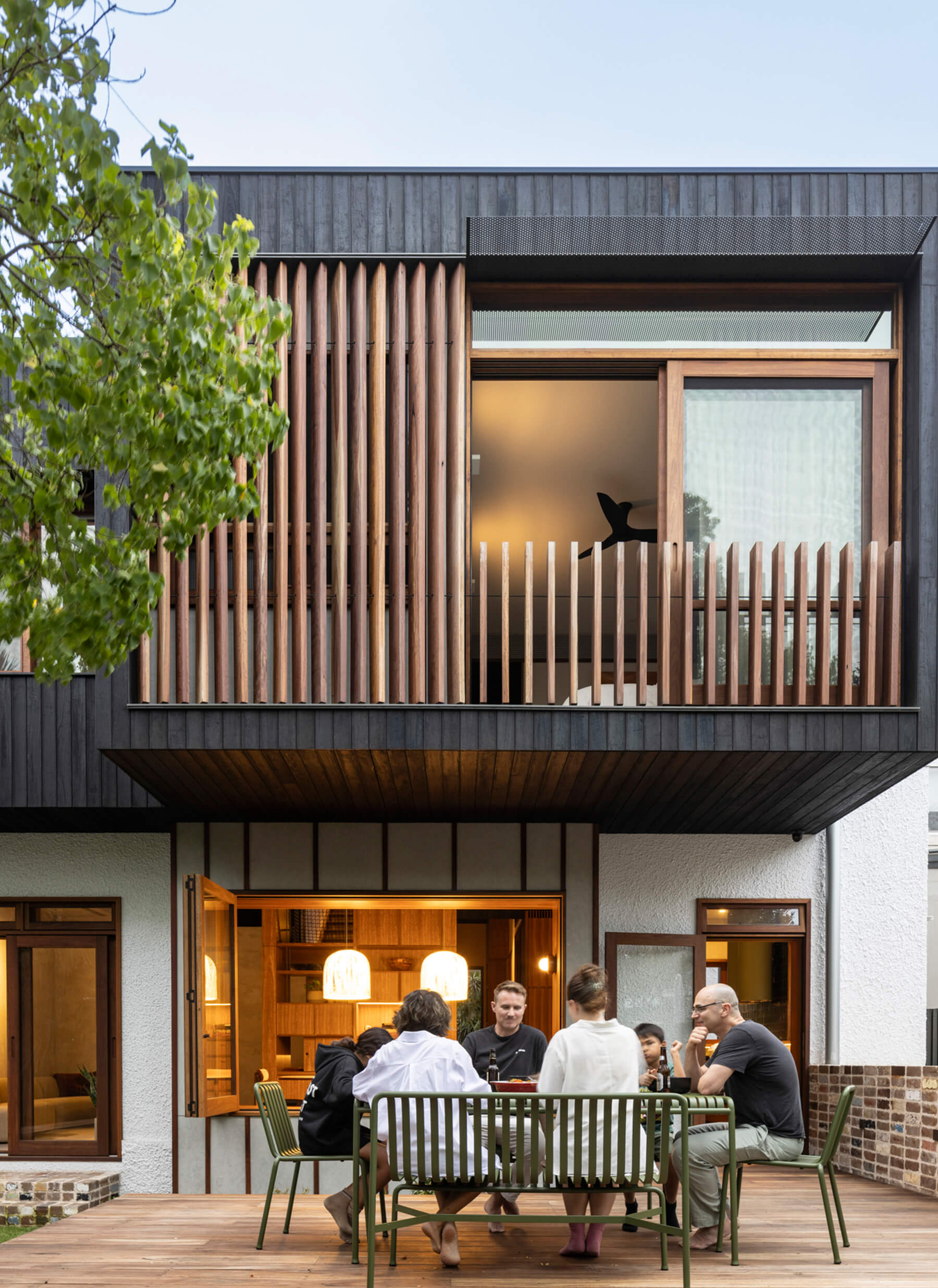
Who sets their sister up with someone they don't like, respect, trust, or get along with? That's exactly why I was a happy man to hear it — about 75% of the way through construction.
Building a home is one of the most significant things anyone will ever do. And while most people expect to spend time thinking about floor plans and finishes, what they don't always anticipate is how much of the experience comes down not to the design itself, but to the relationships that carry it forward.
Life doesn't pause for a building project. Work, school runs, weekends, the general organised chaos of a full household, it all continues while major decisions need to be made and a vision slowly takes shape. The quality of the relationships holding your project together will determine whether that process feels manageable or overwhelming.
At Sam Crawford Architects, our Sydney team has a simple goal: to finish every project in a way that leaves everyone — clients, architects, and builder — happy to sit down together with a cold drink and celebrate a job well done.
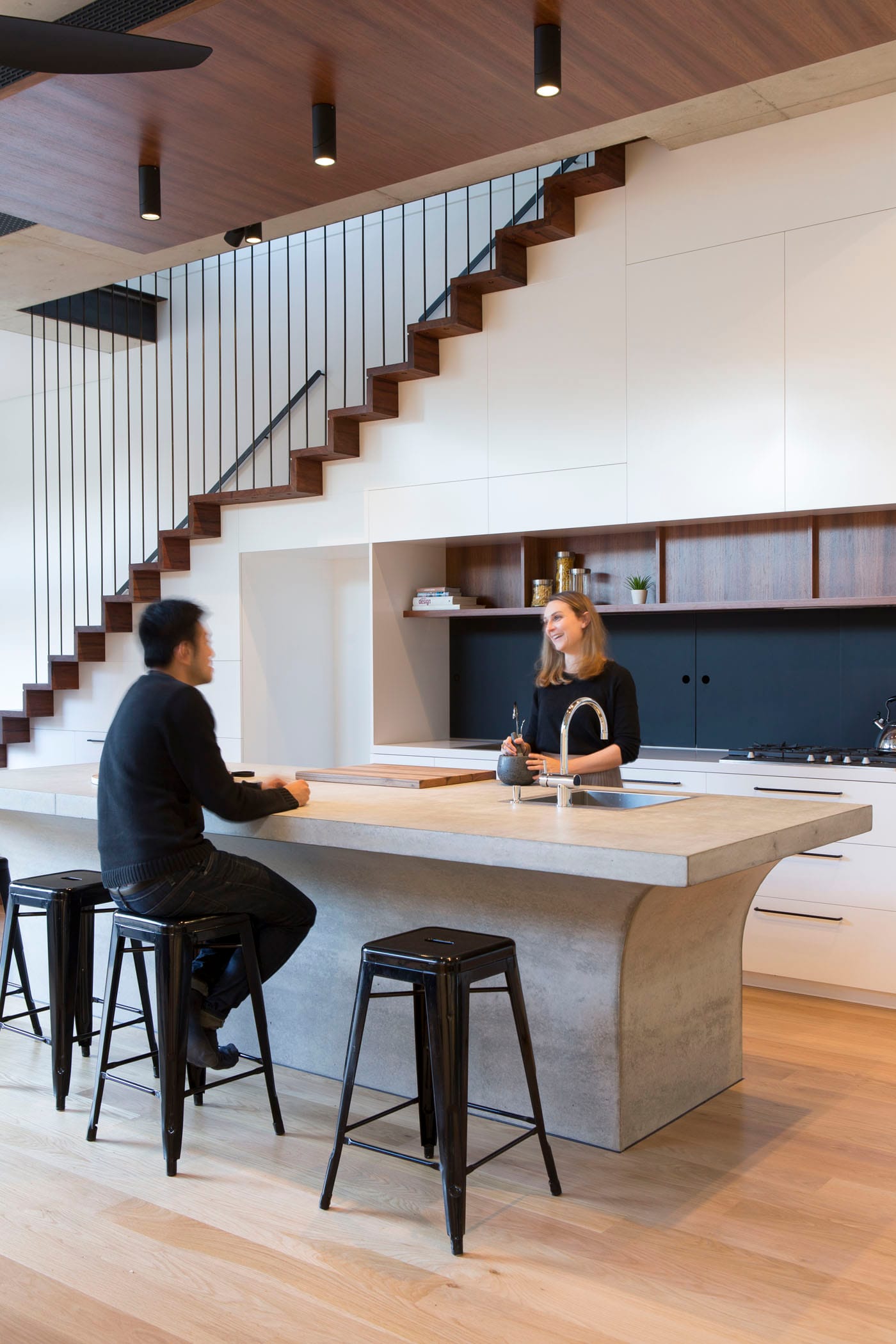
The first and most important relationship is the one between you and your architect.
Good communication here makes the whole process feel like a collaboration. When it falters, even small decisions can start to feel like a burden on top of an already full plate.
At Sam Crawford Architects, we prioritise consistency from the outset. The client–architect relationship is the longest on the project, and we work hard to ensure the person who starts with you finishes with you — because shared knowledge and trust are hard to rebuild once lost.
Your project architect will guide you through the design process, keep the broader team of consultants coordinated, and ensure the right information arrives at the right time. Some consultants — like a landscape architect — you'll meet and work with directly. Others, like structural engineers, may work quietly in the background but are no less vital to your home.
I've even referred to myself as a marriage counsellor on occasion. Competing priorities, different visions, the pressure of big decisions — these are all part of the mix, and we help you navigate them without losing sight of what you're building towards.
Once your home is designed, approved by council, and fully documented, the next major relationship begins: the builder.
There's a long-standing cliché that architects and builders don't get along — the designer with their head in the clouds versus the practical tradesperson who knows how things actually work. If that cliché proves true on your project, the construction phase — the longest and most hands-on stage of all — can become genuinely difficult for everyone involved.
We work hard to make sure that doesn't happen.
A significant part of our role is cultivating relationships with Sydney builders who value both craft and design. When the time comes to choose yours, we arrange introductions early, recommend three builders to price the project, and help you find someone you can genuinely work with — not simply whoever came in cheapest.
Often, clients connect strongly with one particular builder, and we take a more collaborative approach: engaging them early and working together to align the project with the budget before a contract is signed.
Once a builder is on board, our role shifts.
You maintain a direct relationship with us as your architects, and a separate contractual relationship with your builder. At this point, while we are engaged by you, we act impartially in administering the contract between both parties. In practical terms, we become the steady point of contact in the middle — keeping things moving and relationships intact.
The construction phase is where it all becomes real.
You'll feel it — the moment a room you've only ever seen on paper suddenly has walls and a ceiling. It's one of the best parts of the whole journey, even with the emotional rollercoaster that tends to come with it: Is this room too big? No — too small. Oh wait, it's perfect. Not to mention the particular adventure of choosing paint colours on site.
No project runs without its complications. When we notice an issue during a site meeting, our first step is to work through it with the builder directly — not to conceal anything, but to avoid putting anyone on the spot and to resolve smaller problems before they reach your plate. When something does need your input, we come prepared with clear options and outcomes so you can move forward with confidence rather than added stress.
What helps most at this stage is a shared understanding: we are all working towards the same thing. A home you love. A project everyone can be proud of. A little patience and goodwill — assuming the best before the worst — goes a long way.
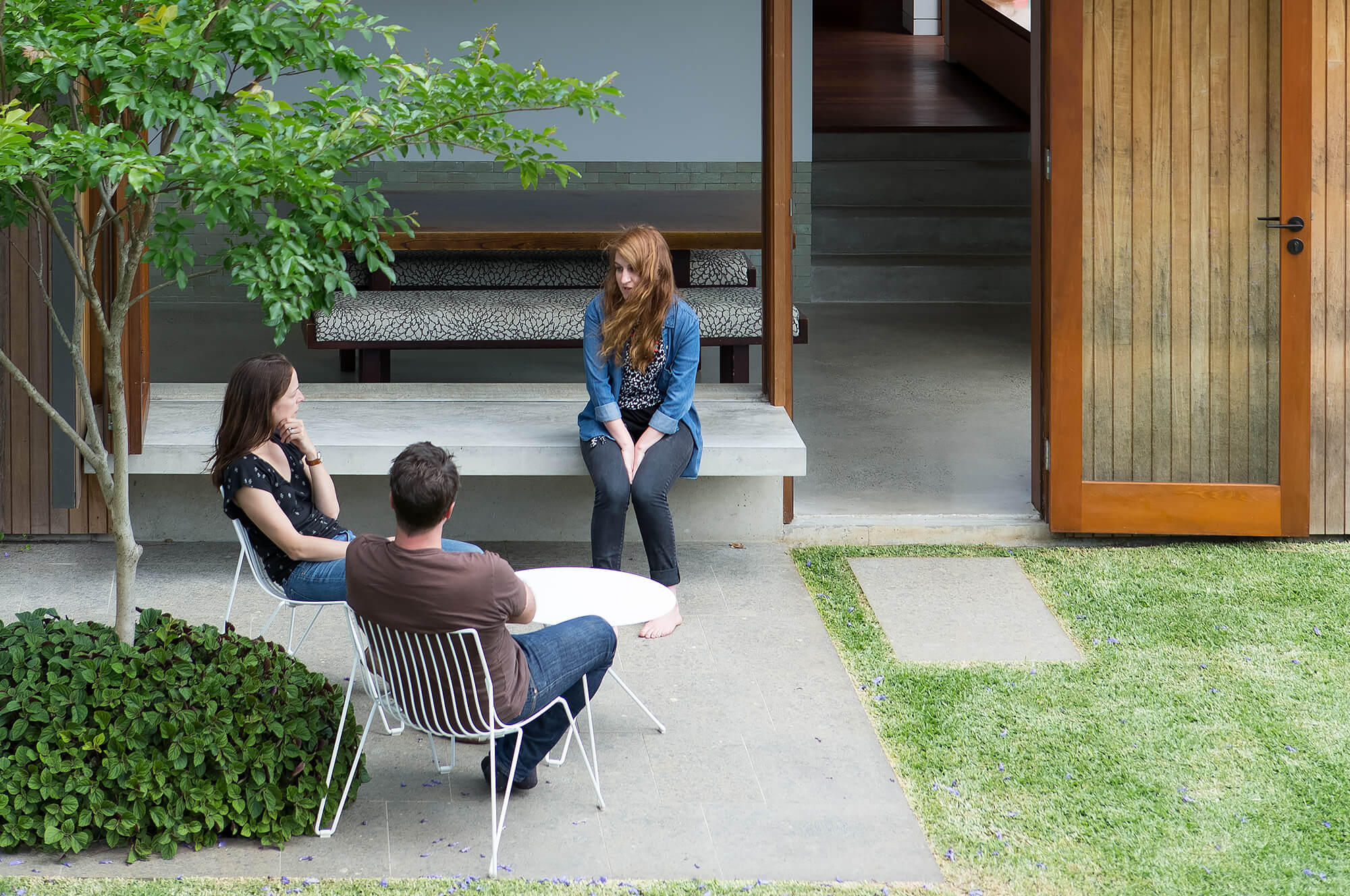
It was the end of a site meeting on a cold morning in 2021 when my client offered me her sister's number.
By that point, we'd been through quite a lot together — design changes, rising construction costs, and weeks of rain that seemed determined to test everyone's patience. Despite all of it, the process had stayed positive. Genuinely enjoyable, even.
The offer confirmed what I'd hoped: that the feeling was mutual.
I declined at the time — it felt like a complication best avoided mid-project.
But on the final day, as the builder handed over the keys, my client handed me a slip of paper.
What happened next is not really any of your business.
But if every project ends with a relationship that strong — then we've done our job well.
If you are planning to build, renovate or extend a home in Sydney, we would welcome a conversation about your project with the team who will see it through with you.
Jarad Grice
Senior Associate
02 Oct 26
Sam Crawford, Founding Director of Sam Crawford Architects, has been elevated to Life Fellow of the Australian Institute of Architects (LFRAIA) in recognition of his contribution to Australian architecture.
29 Jul 26
Planning a renovation or new build in Sydney? An architect’s greatest value is often in the costly problems they prevent before construction even begins. Learn what a residential architect genuinely brings to your project across site feasibility, council approvals, precise documentation, and builder management.